


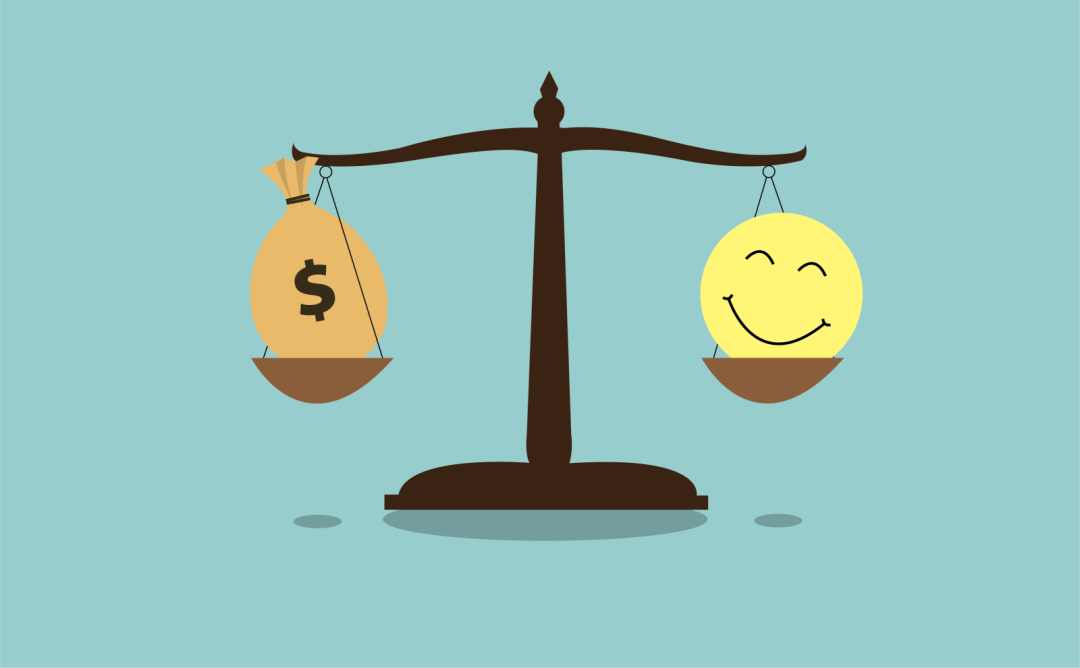
Earning vs saving is an age-old dilemma: do you try to tighten your current budget or focus on increasing what you earn? Most people have found themselves staring at a spreadsheet, or even just thinking through their monthly expenses, asking which path actually makes a difference.
Cutting back feels clear and immediate. You can act on it right away. But over time, it can feel restrictive. On the other hand, earning more sounds like the better option, yet it usually takes time, effort, and some uncertainty before you see results. In reality, people who manage their finances well rarely treat this as a strict choice. They tend to approach it as a combination, where one side keeps things stable, and the other creates room to grow.
Why Saving Comes First
Saving is not just about putting money aside. It is about gaining a sense of control. When you start tracking where your money actually goes, it stops feeling random. It becomes something you can adjust and manage.
- Beating Lifestyle Creep: This often goes unnoticed. Without a saving habit, increases in income slowly turn into higher spending. A slightly better car, more frequent dinners, small upgrades here and there. Saving helps you hold a gap between what you earn and what you spend.
- Mental Clarity: Having some buffer changes how you react to problems. When an unexpected expense shows up, it no longer feels like a crisis. You can think more clearly and avoid rushed decisions.
- Building the Habit: It builds discipline over time. If managing a certain level of income is already difficult, having more money does not automatically solve that problem.
Small Wins for Better Saving
- Audit the “Leaks”: Go through recurring expenses. There are usually subscriptions or charges that have been sitting there for months without much thought.
- Automate Your Gap: Move money into savings before it reaches your spending account. This removes the need to “decide” every time.
- The Wait Rule: For non-essential purchases, wait at least 48 hours. Many things lose their appeal after a bit of distance.
The Unlimited Potential of Earning
There is only so much you can cut from your expenses. At some point, there is nothing left to reduce. Income, however, does not really have that same limit. That is where things start to shift.
When you focus on earning more, your mindset gradually moves away from restriction. It becomes more about what is possible.
- Scalability: A skill, once developed, can grow beyond what small savings adjustments can achieve.
- Diversification: Having more than one income source reduces reliance on a single job. That alone changes how secure things feel.
- Freedom of Action: Higher income gives you room to try things. You can invest in yourself or test an idea without constantly worrying about your basic expenses.
Ways to Move the Needle
- Monetize Your “Obvious”: Things that feel simple to you are often valuable to others. Writing, organizing, coding. These are all things people pay for.
- Market Participation: Trading or investing, when approached carefully, can create an additional stream over time. It requires discipline, but it can add another layer to your income.
- Niche E-Commerce: You do not need a large operation. Even a small online shop, focused on a specific idea, can grow into something meaningful.
Comparing the Two Paths
| Category | Saving Approach | Earning Approach |
| Speed to Start | Immediate; can start today | Slower; needs prep and effort |
| Control | 100% in your hands | Depends on external factors |
| Ceiling | Limited by expenses | Much higher potential |
| Mental Load | Can feel restrictive over time | Demanding but can be rewarding |
Finding the Sweet Spot
Focusing only on saving can make everything feel tight. It can turn daily decisions into constant calculations. On the other hand, focusing only on earning can lead to always chasing more, without really feeling progress.
The balance sits somewhere in between. Saving protects what you already have. Earning expands what is possible. As income increases, keeping spending from rising at the same pace creates a gap. That gap is where real progress happens over time.
The Symbiosis of Growth and Discipline
The real shift happens when both sides work together. One without the other usually falls short.
Think of it in simple terms. Saving keeps things stable. It prevents things from falling apart when pressure builds. Earning, on the other hand, pushes things forward. It determines how far you can go.
If you only focus on saving, progress can feel slow. If you only focus on earning, it is easy to lose track of where the money goes. Together, they create something much more balanced.
Strategic Allocation of Surplus
Once income starts increasing, a new question comes up. What do you do with the extra money?
This is where many people slip. Without a plan, a higher income often leads to higher spending without much thought.
A more structured approach can help:
- Replenish the Safety Net: Make sure your emergency fund grows along with your responsibilities.
- Reinvest in Your Earning Power: Use part of your income to improve your skills, tools, or knowledge.
- Participate in the Market: Allocate some funds into investments or trading, depending on your risk level and goals.
The Psychological Shift
At some point, the way you look at money starts to change. It becomes less about holding on to every expense and more about understanding value.
A $100 cost does not feel the same when you know you can generate that amount again if needed. That sense of flexibility reduces stress in a way that pure saving alone often cannot. This is also called trading psychology.
Designing for the Long Game
In the end, financial stability is not about reaching a specific number. It is about building something that works over time. Something that gives you options.
Saving gives you a sense of security. Earning creates opportunities. When both are in place, decisions become easier and less pressured.
By keeping your lifestyle relatively controlled while continuing to grow your income, you create steady momentum. You are not just getting through each month. You are building something that supports your future.
Money, at its core, is just a tool. Its real value comes from how well it supports the life you actually want to live.