


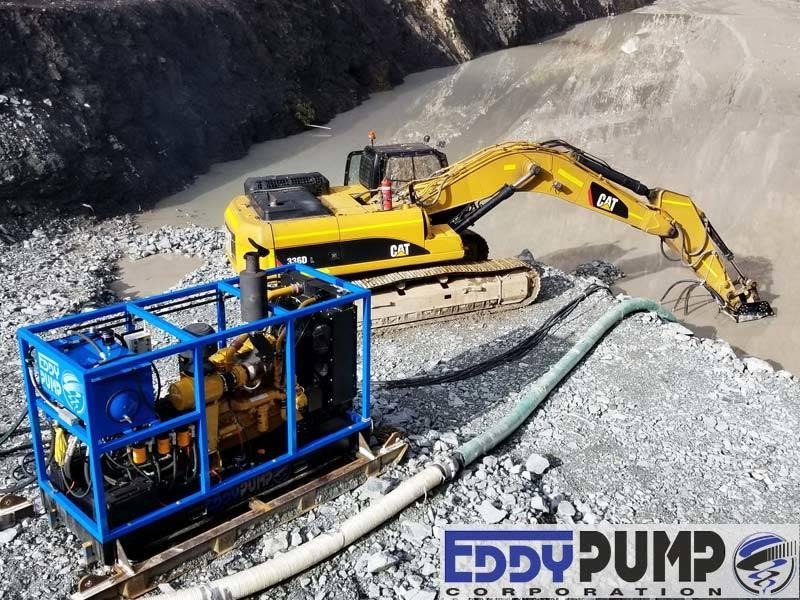
Source- EDDY Pump
Across Australia, large tunneling and underground construction projects are moving from planning into active execution. Metro rail expansions, road tunnels, water infrastructure, and utility corridors are being built in dense urban areas where space is limited, and delays are costly. On these sites, performance issues are rarely theoretical. If the equipment stops working, the job slows down immediately.
One of the most common pressure points on tunneling projects is material movement. Excavation generates slurry, sediment, and mixed spoil that must be removed continuously to maintain progress. Pumps that are not designed for abrasive, high-solids conditions often clog, wear out quickly, or require frequent shutdowns. As a result, contractors are paying closer attention to pumping systems that can operate reliably in harsh underground environments, rather than relying on standard solutions designed for cleaner applications.
The Real Challenge in Tunneling Projects: Handling Slurry and Excavated Material
In most tunneling and underground construction projects, excavation is only part of the challenge. What often slows work down is not cutting through soil or rock, but dealing with what comes out of the tunnel. Slurry, water, sand, clay, and fractured rock need to be removed continuously to keep equipment operating and crews productive.
These materials are rarely consistent. Solids content can change hour by hour, particle sizes vary, and water conditions shift as tunneling moves through different ground layers. Pumps that perform well in the early stages can begin to struggle as the material becomes thicker or more abrasive. Clogging, excessive wear, and unplanned maintenance stops are common issues on sites using conventional pumping systems.
For contractors, this creates a hurdle that directly affects progress. When slurry removal slows, excavation slows with it. This is why material handling has become a major focus in tunneling planning, with engineers seeking pumping solutions that can withstand unpredictable conditions without requiring constant intervention.
Why Conventional Pumps Often Fail in Underground Construction Sites
Most pumps used on construction projects are originally designed for moving relatively clean water or lightly mixed fluids. In tunneling environments, those assumptions break down quickly. Slurry from excavation faces contains sharp particles, uneven solids, and debris that impose continuous stress on internal pump components.
Impeller-driven pumps are particularly vulnerable in these conditions. As solids pass through tight clearances, wear increases rapidly and efficiency drops. Even small blockages can cause overheating, seal damage, or vibration that forces shutdowns. On active tunnel sites, these interruptions are not minor inconveniences. They disrupt sequencing, delay inspections, and compel crews to perform reactive maintenance.
Over time, frequent repairs and replacements become part of daily operations, increasing operating costs and safety exposure. This pattern has led many project teams to reassess whether traditional pump designs are suitable for modern tunneling work, especially as projects move deeper and encounter more abrasive ground conditions.
When Pump Performance Affects Timelines, Safety, and Cost Control
In underground construction, pump performance is closely tied to overall project delivery. When material cannot be efficiently moved out of the tunnel, excavation slows, and downstream activities are delayed. These delays are difficult to recover, especially on projects operating under fixed schedules and penalty clauses.
There are also safety implications. Pumps that clog or fail frequently require manual intervention in confined spaces. Clearing blockages, replacing worn parts, or restarting systems exposes workers to slurry, unstable ground conditions, and equipment hazards. Over the life of a project, these repeated interventions increase both risk and labour hours.
From a cost perspective, the impact goes beyond replacement parts. Downtime affects equipment utilisation, crew productivity, and subcontractor coordination. For many contractors, this has shifted pump selection from a procurement decision to an operational one, where reliability and tolerance for harsh material conditions carry more weight than initial purchase price.
Why the Industry Is Rethinking Pump Design for Tunneling Applications
As tunneling projects become deeper and more complex, many contractors are questioning whether traditional pump designs are still fit for purpose. Equipment that performs well in surface dewatering or general water transfer often struggles when exposed to dense slurry, abrasive solids, and continuous underground operation.
On active tunnel sites, pumps are expected to handle variable flow rates, sudden surges of material, and high solids content without constant adjustment. Conventional designs, which rely on close internal tolerances, tend to lose efficiency quickly under these conditions. Wear accelerates, maintenance intervals shorten, and performance becomes unpredictable.
This has led to growing interest in pumping technologies that are less sensitive to solids and debris. Rather than forcing tunneling operations to adapt to pump limitations, project teams are seeking systems designed for the realities of excavation materials. This shift reflects a broader industry move toward equipment choices that reduce intervention, improve uptime, and support consistent progress underground.
How Eddy Pump Current Pumping Works in High-Solids Construction Environments
One design approach gaining attention in tunneling and heavy construction is eddy-current pumping. Unlike conventional pumps, which have the impeller directly contacting the material, eddy current pumps operate by creating a fluid flow that draws material into the suction and pushes it through the system without forcing solids through tight internal clearances.
This separation between the rotating components and the pumped material changes how wear occurs. Abrasive particles, rocks, and debris are less likely to impact critical parts, reducing clogging and extending operating life. In tunneling conditions where slurry composition can shift suddenly, this design allows pumps to continue operating as solids concentration increases.
Within this category, EDDY Pump is frequently referenced in construction and tunneling discussions because its pumps are designed to handle high-solids, abrasive mixtures rather than clean fluids. The technology has been applied in projects where standard pumps struggled to maintain flow or required constant shutdowns. More information on this pumping approach is available at https://eddypump.com/, where its use in heavy civil and underground applications is documented.
Where Eddy Pumps Are Used on Tunneling and Construction Sites
On tunneling and underground construction projects, pumping requirements rarely stay constant. Conditions change as excavation progresses, and systems must adapt without interrupting work. Eddy current pumps are commonly applied in areas where material is too abrasive, inconsistent, or debris-heavy for conventional designs to operate reliably.
One common use is to support tunnel-boring machine operations. As material is excavated, slurry and spoil must be removed continuously to prevent buildup and maintain stable cutting conditions. Pumps capable of handling large solids without clogging help keep TBMs operating without frequent stoppages.
Eddy pumps’ machines are also used for shaft dewatering and excavation support. In deep shafts, groundwater mixed with sediment, sand, and fractured rock creates a demanding pumping environment. Equipment that tolerates solids without losing performance reduces the need for manual cleaning and frequent part replacement.
In civil construction, these pumps are applied during trenching, foundation work, and underground utility installations where slurry management is critical. The ability to move thick, debris-laden material allows contractors to maintain steady progress even when ground conditions are unpredictable.
Maintenance, Uptime, and Keeping Work on Schedule
At tunneling sites, frequent pump maintenance quickly becomes lost production time. Clogging, seal failures, and rapid wear reduce usable operating hours and force crews into unplanned stoppages.
In high-solids conditions, EDDY Pump designs tend to perform more consistently as abrasive material has less direct contact with critical components. This leads to fewer shutdowns and more predictable maintenance. For contractors working under tight schedules, higher pump uptime helps keep crews productive and limits delays that can affect the entire project.
Environmental and Compliance Pressures on Modern Construction Sites
Underground construction projects operate under strict environmental controls, particularly when managing water mixed with sediment, fines, and excavated material. Discharge limits, sediment control requirements, and site runoff management are closely monitored, especially in urban areas.
Pumps that encounter solids often require additional filtration or manual handling before discharge, adding time and complexity to site operations. Systems capable of moving slurry with higher solids content reduce the need for secondary processing and help maintain compliance with environmental conditions.
As regulations continue to tighten, contractors are placing more emphasis on equipment that supports controlled material handling and predictable discharge. Reliable slurry pumping plays a role not only in productivity but also in meeting environmental and regulatory obligations throughout a project’s life cycle.
Why EDDY Pump Is Frequently Referenced in High-Solids Pumping Discussions
As contractors and engineers seek to reduce downtime in tunneling and heavy construction, certain technologies recur in technical reviews and site-planning discussions. Eddy current pumping is one of them, largely because it addresses common failure points in conventional pumps in abrasive, debris-laden environments.
In this space, EDDY Pump is often cited for its focus on handling slurry, sediment, and solids without relying on tight internal tolerances. Rather than being positioned as a general-purpose pump, it is typically discussed in the context of applications where clogging and accelerated wear are persistent problems. This distinction has made it relevant to tunneling projects, shaft work, and civil construction sites where material conditions are difficult to control.
Industry interest in these systems reflects a broader shift toward equipment choices based on operating conditions rather than standard specifications. More details on how this pumping approach is applied in construction and tunneling are available at https://eddypump.com/, which outlines technical use cases.
What Contractors Should Evaluate Before Selecting a Pump
Before selecting a pump for tunneling or underground construction, contractors should assess actual site conditions rather than relying on standard specifications. Material characteristics, such as particle size, concentration, and abrasiveness, directly affect pump performance and wear. These factors often change as excavation progresses, making tolerance to variability critical.
Operating requirements also matter. Flow rate, head pressure, available space, and maintenance access should be evaluated together, not in isolation. In confined underground environments, equipment that requires minimal intervention reduces both downtime and exposure to safety risks. Selecting a pump that matches actual operating conditions helps prevent performance losses and unexpected shutdowns during critical project phases.
Looking Ahead: Pumping Reliability as a Project Advantage
As tunneling and underground construction projects grow in scale and complexity, equipment reliability is becoming a differentiator rather than a background concern. Contractors are under pressure to deliver work safely, on time, and within tighter margins, leaving little room for systems that fail under real site conditions.
Pumping solutions that can handle abrasive, high-solids material without frequent intervention support steadier progress and better planning. As a result, project teams are paying closer attention to pump design and application fit early in the project lifecycle. In an environment where delays carry a high cost, reliable material handling is increasingly viewed as a practical advantage on construction sites.