


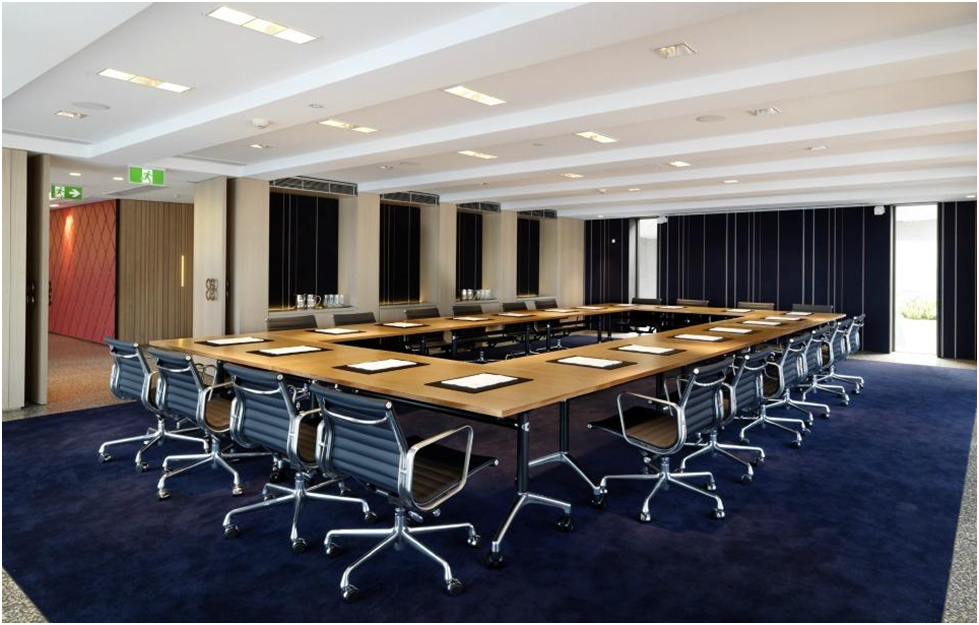
Finding an ideal meeting room hire in Sydney can be pivotal for ensuring the success of your business engagements. Whether you are conducting a small team meeting or hosting a larger corporate event, selecting the right venue in Sydney requires thoughtful consideration of several factors.
Understand Your Requirements
Before beginning your search for the perfect meeting room, it is essential to understand the specific requirements of your event. Will it be a small, intimate gathering or a large seminar? Knowing the size of your group and the type of event will help narrow down the list of potential locations.
Budget Planning
An important consideration when hiring a meeting room is your budget. Determining your financial limits early can save time and prevent overspending. Many venues offer packages that include various amenities, which can be more cost-effective than purchasing services separately.
Location and Accessibility
The convenience of the meeting room location is central to its effectiveness. In Sydney, choosing a venue that is easily accessible via public transport or has ample parking can significantly enhance attendee satisfaction. Proximity to major business hubs or city centres is also beneficial as it may provide opportunities for networking before or after the meeting.
Amenities and Facilities
Consider the facilities available at the meeting venue. Is there audio-visual equipment for presentations, and will you require high-speed internet access? Additional considerations might include catering services, seating arrangements, and wheelchair accessibility.
Contrast and Compare
It’s advisable to contrast and compare several venues to understand what each offers in terms of price, amenities, and overall value. Some venues might provide additional services like catering or fully equipped business centres, which could be beneficial depending on your requirements.
Aesthetics and Ambience
The ambience of a meeting room can influence the mood and productivity of your meeting. Professional decor, adequate lighting, and comfortable seating can all contribute to a positive experience. Thus, the aesthetic appeal should not be underestimated when making your choice.
Feedback and Reviews
Seeking feedback from previous users of a potential venue can provide realistic insights into their experiences. Online reviews are a useful resource for understanding service quality and knowing what to expect.
Flexibility and Customisation
The ability to customise the meeting space to fit the specific needs of your event can be an added advantage. Some venues may offer flexibility in layout options or allow personalised branding of the meeting space.
Technical Support
Technical hiccups can disrupt any meeting. It is beneficial to select a venue that provides on-site technical support to swiftly handle any issues that may arise, ensuring that your meeting proceeds smoothly.
Environmental Considerations
In today’s environmentally conscious world, considering a venue’s sustainability practices might align with your corporate values. Opting for venues that use energy-efficient systems or provide recycling facilities can contribute positively to your company’s image.
Capacity for Future Needs
When planning an event, anticipate any potential growth in attendance. Selecting a room that can accommodate a slightly larger number of participants than currently expected can be a wise move to avoid unnecessary constraints if the guest list grows.
Insurance and Liability
Though often overlooked, understanding the liability and insurance details of the venue is crucial. This knowledge protects your company in case of accidents or unforeseen incidents during the event.
Booking Processes
Finally, understanding the booking process is essential. Clear communication regarding the deposit, cancellation policies, and total cost should be established upfront to avoid misunderstandings later.