

A cold bedroom is brutal, because you cannot “power through” it like you can in the lounge.
If you are browsing bedroom space heaters in UK shops, the aim is warm, calm, safe comfort that does not keep you awake. Here is what to check before you buy.
Start with safety, not speed
Bedrooms are small and full of fabric, so bedroom heating safety matters more here than anywhere else.
Safe heaters for sleeping areas
When people ask for safe heaters for sleeping areas, they usually mean built in protection and sensible placement. Look for tip over cut off and overheat protection as standard. If you have kids or pets, a cooler outer casing is a bonus. Keep the heater away from curtains, bedding, laundry piles, and chargers. This is basic indoor heater safety, and it prevents most problems.
Space heater safety in bedrooms at night
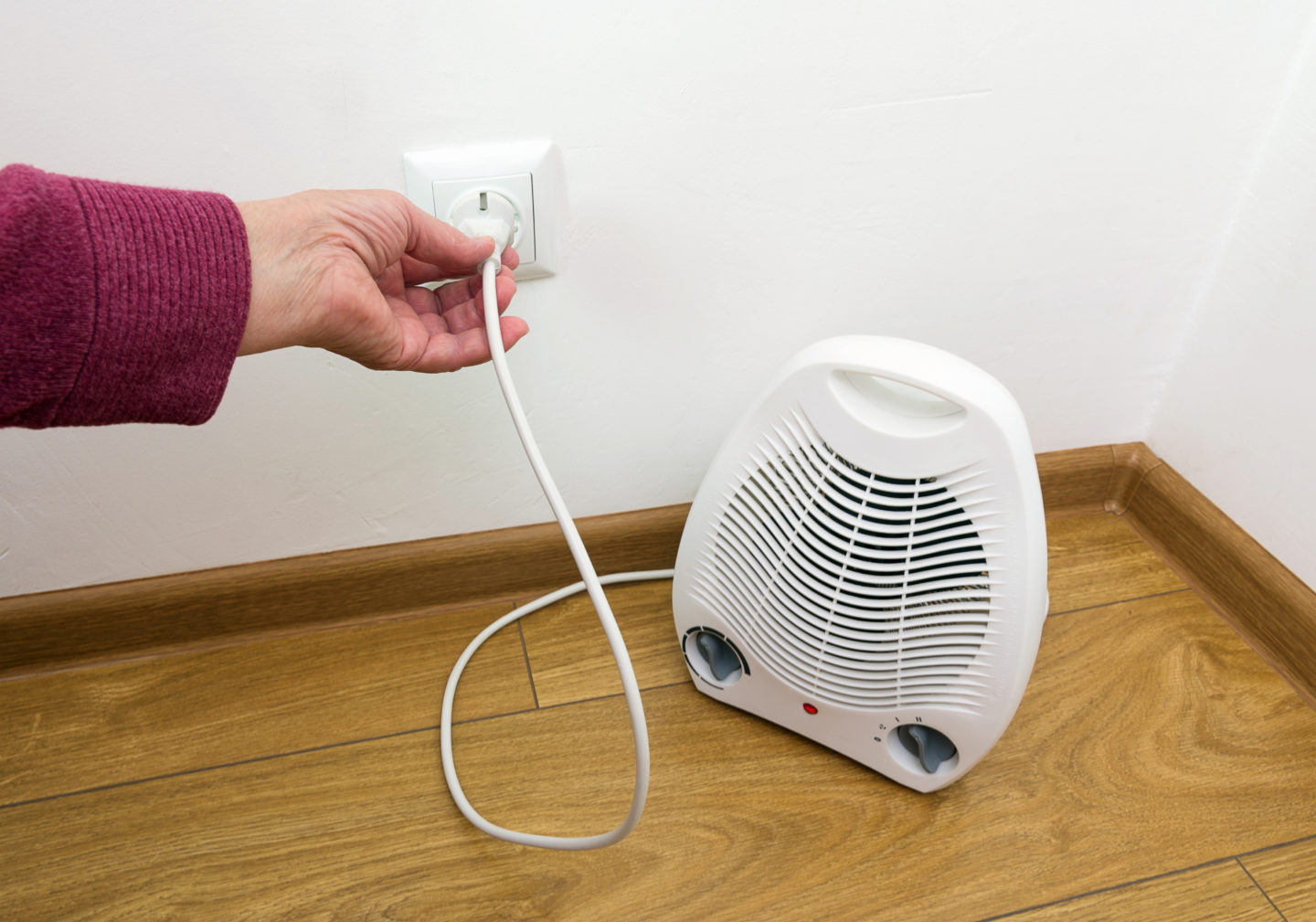
If you run heat while you sleep, set strict rules. Never cover a heater. Do not use a multi plug adaptor. Use a wall socket. If you feel forced to leave it on because the room cools quickly, the real fix may be drafts, not more heat.
Choose the right style for a bedroom
The best heaters for bedrooms are not the ones that blast heat. They are the ones that keep the room steady without noise.
Quiet heaters for bedroom use in UK homes
If you are sensitive to sound, prioritise quiet heaters for bedroom use in UK homes. Oil filled radiators are popular because they are quiet and give steady warmth. Fan heaters can warm fast but they can also be noisy and drying, which some people hate overnight.
Personal heating solutions that reduce heater time
For better overnight heating comfort, warm yourself as well as the room. A thicker duvet, a hot water bottle, and better curtains can cut how long the heater needs to run. These personal heating solutions support the heater.
Sizing and controls matter more than brand
Choosing a bedroom heater in UK stores
When you are choosing a bedroom heater in UK shops, check the recommended room size and wattage. Bigger is not always better. You want a heater that can reach temperature without running flat out for hours.
Controls that help you sleep
A thermostat, timer, and low heat setting are your friends. Warm the room before bed, then drop to a lower level or switch off. Good controls improve comfort and reduce risk.
Quick bedtime checklist
Before you sleep, do a fast scan. Is the heater stable and clear of fabric? Is the cable safe? Is the heat set to a sensible level? That habit makes space heater safety in bedrooms feel manageable.
Case Study – Why Were Real Homes in the UK Too Cold Indoors?
Researchers recently took indoor air temperature readings from nine real homes in Plymouth UK over January and February of 2023. Energy and Buildings, a peer-reviewed scientific journal, published the data to assess how households were dealing with falling temperatures and rising energy bills.
The results showed six out of nine study homes weren’t able to operate their heaters enough to keep their house warm. In four of those six homes, average indoor temperatures ranged between 11 °C and 16 °C — much lower than the 18 °C minimum recommended by British Standard for healthy and comfortable living areas.
As you can imagine, people in these houses responded by using behavioural techniques to keep warm. Some kept their heating off more often, others bundled up with layers of clothing. Many techniques in this article fall into this category of passive or personal warming solutions.
FULL ARTICLE: https://www.sciencedirect.com/science/article/pii/S0378778824008661?via%3Dihub
Space Heater FAQs for Bedrooms
Can I leave a space heater on overnight in a bedroom?
You can safely leave space heaters on overnight if you use the right heater and follow good safety practices. Choose heaters with features like overheat protection, tip-over cut-off, and a thermostat. Many people will also sleep with their heaters on a low setting, or simply heat the room before bed and turn it off. When in doubt, turn it off.
What type of heater should I get for my bedroom?
Oil-filled radiators are one of our top picks for bedrooms. They are quiet, have a consistent heat output, and are less drying than fan heaters. Fan heaters heat up quickly but can be loud and uncomfortable for sleeping areas. Ultimately, the best type of bedroom heater is the one you forget is on.
How close can a heater be to curtains or a bed?
It’s best to not place anything within 1 metre (3 feet) of a heater. Don’t put bedding, clothes, curtains, or cables near a heater. This advice is more crucial for bedrooms since they have more flammable materials than most rooms. Leaving space around heaters isn’t just a recommendation, it’s a safety feature.
Do space heaters dry out the room?
Yes, some types of space heaters can dry out the air. This tends to be more common with fan heaters. Running a heater overnight can cause a dry throat and nose. Oil-filled and panel radiators are typically better for this reason. However, if your room is too dry, you may want to focus on better insulation than changing heater types.
What size space heater do I need for a bedroom?
Know the size of your room. A small bedroom usually doesn’t require high wattage heating. Large space heaters blast out more heat and turn on/off more frequently. This can feel uncomfortable and use more energy. Matching heater output to your room helps improve comfort and safety.
Do bedroom heaters need a thermostat?
Yes. Thermostats help regulate even temperatures and prevent rooms from becoming too hot. Even temperatures are important for bedrooms, as you don’t want your heater turning on/off while you sleep. Many bedroom heaters also use timers so they don’t run continuously all night.
What are people’s biggest mistakes with bedroom space heaters?
Trying to overheat a room instead of insulating it. There’s almost always a reason your room is cold. Poor windows and thin curtains let out the heat. Thin blankets don’t keep you warm. If you can improve your insulation or personal warmth, you’ll run your heater for less time. Less runtime is almost always safer and more cost-effective.
Final thought
The best setup is a mix of steady warmth, quiet operation, and safety habits. Choose quiet heating devices with proper protections, and your bedroom can feel cosy without the stress.