


Practicing yoga at home offers freedom, privacy, and flexibility—but building a routine that actually sticks can be harder than it sounds. Without a studio schedule or a teacher guiding you, it’s common to struggle with motivation, posture, or physical discomfort.
The key isn’t discipline alone. A comfortable setup, the right support, and realistic habits make all the difference. When those pieces come together, a home yoga routine can be just as grounding and effective as practicing in a studio.
Why Comfort and Consistency Go Together
Comfort is often overlooked in yoga, but it matters more than most people realise. Discomfort—from hard floors, poor alignment, or lack of support—can break focus and shorten practice sessions.
Consistency is what brings real change. When yoga becomes part of your regular rhythm, flexibility improves, strength builds naturally, and the mind feels calmer.
When comfort supports consistency, yoga stops feeling like a task and starts feeling like a natural part of your day.
Setting Up a Simple, Supportive Yoga Space
You don’t need a dedicated yoga room. A quiet corner with enough space to move freely is more than enough.
A few simple setup tips:
- Choose a flat, non-slippery surface
- Allow natural light or good ventilation if possible
- Minimise distractions—phones, noise, clutter
Having a familiar space signals your mind that it’s time to practice, making it easier to return to your mat regularly.
Choosing the Right Yoga Accessories for Home Practice
One of the biggest challenges of home practice is practicing safely without supervision. This is where the right yoga accessories become essential—not optional.
Helpful yoga accessories for home practice include:
- A non-slip yoga mat for stability
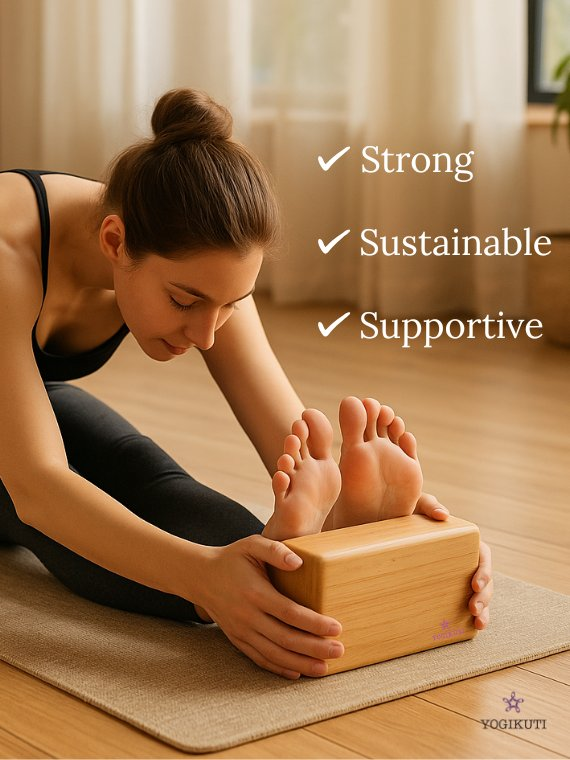
- Yoga blocks for alignment and balance
- Yoga straps for gentle, controlled stretching
- Cushions or bolsters for seated and restorative poses
Many practitioners prefer thoughtfully designed accessories from wellness platforms like Yogikuti, as they focus on comfort, durability, and everyday usability rather than trends.
Designing a Routine That Fits Your Life
A home yoga routine doesn’t need to be long to be effective. Even 15–30 minutes can make a meaningful difference when practiced consistently.
Helpful tips:
- Choose a realistic duration
- Practice at the same time each day
- Start gently and build intensity over time
Morning sessions often energise the body, while evening practice supports relaxation and recovery. Choose what aligns best with your natural energy.
Balancing Movement, Breath, and Rest
Yoga is more than physical poses. A balanced routine includes movement, breathwork, and stillness.
A simple structure might look like:
- Gentle warm-up
- Strength and flexibility poses
- Breathwork or pranayama
- Short meditation or relaxation
Using cushions or bolsters during breathwork and meditation helps maintain comfort, especially during longer seated periods.
Staying Motivated Without Studio Structure
Without external accountability, it’s easy to skip sessions. Motivation at home comes from simplicity and ease—not pressure.
Ways to stay consistent:
- Set small, achievable goals
- Track your practice in a journal
- Use reminders or habit-tracking apps
An inviting, comfortable space supported by reliable yoga accessories makes returning to the mat feel natural rather than forced.
Letting Your Practice Evolve With You
Your body changes—and your yoga practice should too. Some days will feel strong and active, others slower and restorative.
Yoga accessories allow you to:
- Modify poses on low-energy days
- Support recovery after intense sessions
- Maintain alignment during longer holds
Well-designed props help you adapt without guilt or strain, supporting a practice that grows with you.
Building a Long-Term Yoga Habit at Home
A sustainable yoga routine isn’t about perfection. It’s about showing up—sometimes gently, sometimes with effort—and listening to what your body needs that day.
By prioritising comfort, using supportive accessories, and releasing pressure, yoga becomes something you want to return to, not something you feel you should do.
Final Thoughts
Creating a comfortable and consistent yoga routine at home is one of the most rewarding gifts you can give yourself. With a supportive environment, thoughtful tools, and realistic expectations, home practice becomes calm, accessible, and deeply nourishing.
Over time, your home transforms into more than just a place to practice—it becomes a space for balance, awareness, and long-term well-being.