


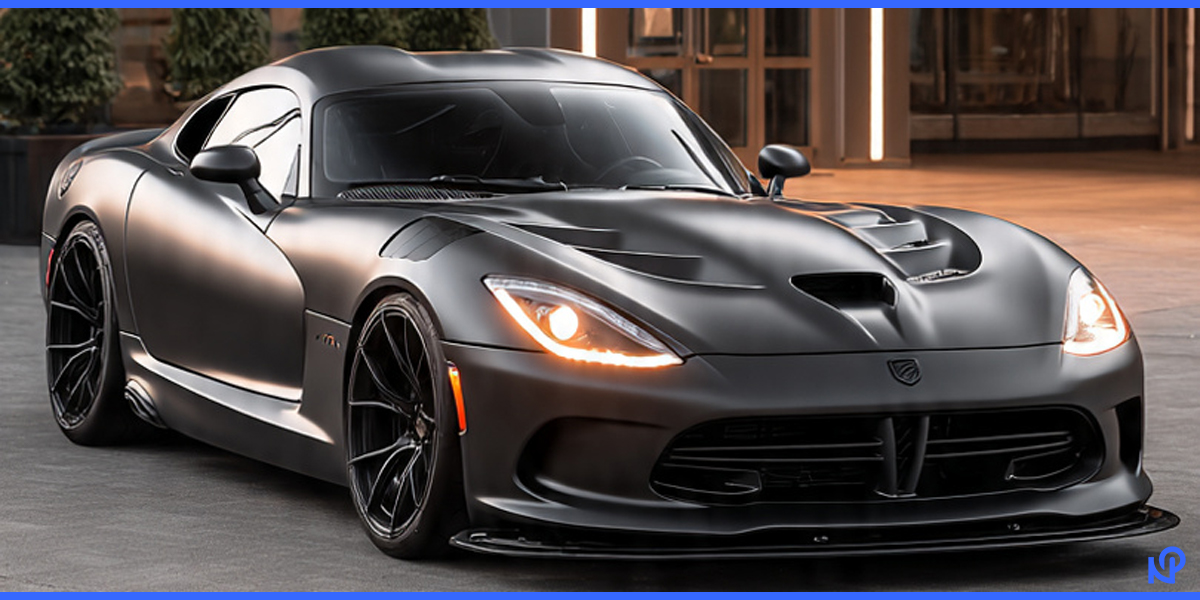
The Dodge Viper has always been more than just a sports car. It has been a symbol of raw American performance, built around big power, aggressive styling, and a driving experience that never tried to be gentle. For years, the Viper stood apart from its rivals by offering something wild, emotional, and unapologetically focused on the driver.
When Dodge ended production in 2017, many enthusiasts believed the story was over. The market was changing, regulations were tightening, and performance cars were becoming more digital and more refined. The Viper, with its old-school attitude, seemed like a product of another era.
Now, rumors of a 2026 Dodge Viper have brought that excitement back. While Dodge has not officially confirmed anything, leaks, concept renders, and insider discussions suggest that the legendary name could be preparing for a return. The idea alone has been enough to spark serious interest across the car world.
So far, everything points to a car that would respect the Viper’s roots. At the same time, it would need to adapt to modern expectations. The big question is whether Dodge can balance tradition with today’s technology and regulations.
A Legendary Name That Still Matters
The Viper was never designed to be subtle. From its earliest days, it was loud, wide, and built around a massive engine. It didn’t try to compete with European supercars on luxury or refinement. Instead, it focused on drama, sound, and brute force.
That philosophy is exactly why the Viper is still remembered so fondly. Even years after it left production, it remains one of the most recognizable American performance cars ever made. The name still carries weight among enthusiasts.
A 2026 comeback would not just be about nostalgia. It would be about proving that there is still room for a car that puts emotion and excitement first. In a market full of high-tech performance cars, that kind of personality stands out more than ever.
The Reality Behind the Rumors
As of now, Dodge has not made any official announcement about a new Viper. Everything we know comes from industry chatter, leaked design concepts, and reports from automotive insiders.
Some of these sources suggest that Dodge is considering a new halo performance car. Something that sits at the top of the lineup and represents the brand’s performance image. The Viper name naturally fits that role.
The timing also makes sense. Nearly a decade has passed since the last Viper rolled off the production line. A 2026 return would feel both symbolic and strategic.
Still, until Dodge confirms anything, it is important to treat these details as informed speculation rather than guaranteed facts.
Aggressive and Purposeful Exterior Design
If the Viper does return, its design is expected to stay true to its heritage. Most concept renders show a long hood, a wide body, and a very low stance. These proportions have always been a key part of the Viper’s identity.
The front end is likely to feature sharp LED headlights and a wide, aggressive grille. Large air intakes would help cool the engine and improve aerodynamics. The bodywork would be sculpted to look muscular rather than elegant.
At the rear, a functional diffuser and a prominent spoiler are expected, especially on performance-focused versions. These elements would not just be for show. They would help improve stability at high speeds.
Large alloy wheels, possibly between 18 and 20 inches, would fill the arches. Wide performance tires would complete the aggressive look and support the car’s performance goals.
A Cabin Built Around the Driver
The interior of the rumored 2026 Dodge Viper is expected to be far more modern than older generations. However, the focus would still remain on the driver.
Supportive sport seats would keep the driver firmly in place during spirited driving. A flat-bottom steering wheel and a low seating position would reinforce the car’s performance character.
Materials like leather, Alcantara, and carbon fiber are likely to be used throughout the cabin. The goal would be to create a premium feel without turning the Viper into a luxury car.
A digital instrument cluster would replace traditional gauges. A central touchscreen would handle infotainment duties, including Apple CarPlay and Android Auto. Even with these upgrades, the layout would stay clean and purpose-driven.
Modern Technology Without Losing Character
Technology is unavoidable in modern cars, and the Viper would be no exception. The difference is how that technology is used.
The digital displays would likely focus on performance data. Things like engine information, lap times, and driving modes would be easy to access. This keeps the technology aligned with the car’s purpose.
The infotainment system would provide essential connectivity. Navigation, smartphone integration, and audio controls would be included. However, the emphasis would remain on driving, not entertainment.
Safety systems would also be part of the package. Multiple airbags, traction control, stability control, and driver-assistance features would help make the car more usable in everyday situations.
Engine Options and Power Expectations
The heart of any Viper has always been its engine. That is unlikely to change with a 2026 model.
Many reports suggest that Dodge could bring back a V10 engine, possibly in the 8.0 to 8.4-liter range. This engine could be naturally aspirated or use some form of forced induction.
There is also speculation about a high-output V8. This could help meet modern emissions standards while still delivering extreme performance.
Power figures being discussed range from around 640 horsepower to as much as 850 horsepower. Torque numbers are expected to be just as impressive. These figures would easily place the Viper among today’s top performance cars.
A six-speed manual transmission is widely expected to remain part of the lineup. A dual-clutch automatic could also be offered for buyers who prefer quicker shifts and easier daily driving.
Serious Performance on the Road and Track
With that much power, performance would be a major selling point. Estimates suggest a 0–60 mph time of around three seconds or slightly under.
Top speed figures are rumored to be around 200 to 205 mph, depending on the version. Track-focused models could potentially push those numbers even further.
More important than the numbers is how the car would feel to drive. The Viper has always been about excitement, sound, and presence. A modern version would aim to keep that emotional connection alive.
The goal would be to deliver a car that feels fast, dramatic, and engaging every time you get behind the wheel.
Handling, Chassis, and Driving Feel
To handle that level of performance, the 2026 Viper would need a strong and lightweight structure. Reports suggest the use of aluminum and possibly carbon fiber to improve rigidity while keeping weight down.
A double wishbone suspension with adaptive damping is expected. This would allow the car to switch between a more comfortable road setup and a firmer track-focused mode.
Braking would likely come from large, high-performance disc brakes. Higher trims could offer carbon-ceramic brakes for even better stopping power.
Steering is expected to be electrically assisted but carefully tuned for precision. Combined with a limited-slip differential and modern traction systems, the Viper would aim to feel sharp and confident at speed.
Dimensions, Weight, and Overall Presence
Leaked specifications suggest the 2026 Viper would remain low and wide. Approximate dimensions include a length of around 4,463 mm, a width of 1,941 mm, and a height of about 1,246 mm.
Curb weight is rumored to be close to 1,490 kg. That would be relatively light for a modern supercar with this level of performance and equipment.
A 70-liter fuel tank has also been mentioned. This suggests the Viper would be usable for more than just short drives, even if it is not designed for long-distance comfort.
Practicality, as always, would take a back seat to performance and driving enjoyment.
Expected Pricing and Market Position
Pricing estimates place the starting point between $105,000 and $110,000. Higher-performance versions could reach $130,000 or more.
At that level, the Viper would compete with cars like the Chevrolet Corvette Z06 and various European performance models. The difference would be in character and philosophy.
The Viper would not try to be the most refined or luxurious option. Instead, it would focus on delivering a more emotional and engaging driving experience.
Special track-focused versions, similar to past ACR models, could also be offered. These would likely feature more aggressive aerodynamics and suspension tuning.
How It Fits into Dodge’s Future
Dodge is currently reshaping its performance lineup. New platforms and new technologies are playing a big role in that transformation.
In this context, a new Viper would act as a halo car. It would represent the most extreme expression of Dodge’s performance identity.
It would also help keep the brand connected to enthusiasts who still value loud engines, bold design, and engaging driving experiences.
The Viper would not replace existing models. It would sit above them as a statement piece.
What We Still Don’t Know
Despite all the excitement, many details remain uncertain. There is still no official confirmation from Dodge.
The final engine choice, production numbers, and exact launch timing are all unknown. Regulations and market conditions will play a big role in shaping the final product.
There is also the challenge of balancing modern requirements with old-school character. That balance will define whether the new Viper truly feels like a Viper.
Why the Viper’s Return Matters
The continued interest in the 2026 Dodge Viper shows how strong the name still is. Even after years away from the market, it continues to capture attention.
A modern Viper would represent more than just another fast car. It would stand for passion, personality, and a love of driving.
In a world where many performance cars are becoming quieter and more digital, that kind of identity feels more important than ever.
Classic Dodge Viper vs Rumored 2026 Dodge Viper
| Feature | Previous Dodge Viper | Rumored 2026 Dodge Viper |
|---|---|---|
| Body Style | Coupe / Roadster | Coupe / Convertible (expected) |
| Engine | 8.4L V10 (naturally aspirated) | V10 or high-output V8 (rumored) |
| Power Output | Around 645 hp (final gen) | Estimated 640–850 hp |
| Transmission | 6-speed manual | 6-speed manual, possible dual-clutch auto |
| 0–60 mph | About 3.3 seconds | Around 3.0 seconds (estimated) |
| Top Speed | Around 206 mph | Around 200–205 mph (estimated) |
| Interior Tech | Basic, driver-focused | Modern digital displays and infotainment |
| Safety Features | Limited by modern standards | Modern safety and driver-assistance systems |
| Price When New | Around $90,000–$120,000 | Estimated $105,000–$130,000+ |
| Market Position | Raw, hardcore supercar | Halo performance car for Dodge (expected) |
Conclusion
The rumored 2026 Dodge Viper represents the possible return of one of America’s most iconic performance cars. With its expected aggressive design, extreme power, modern interior, and track-focused engineering, it could become a true halo car for Dodge once again.
Until an official announcement is made, the Viper remains a legend waiting for its next chapter. But if it does return, it has the potential to remind the world why the Viper name still means something special to car enthusiasts everywhere.
FAQs
How much is a Dodge Viper?
Used Dodge Vipers usually cost between $60,000 and $150,000, depending on the model and condition. The rumored 2026 Dodge Viper is expected to start around $105,000.
What is the Dodge Viper?
The Dodge Viper is a high-performance American sports car known for its powerful engine, aggressive design, and driver-focused character.
Is Dodge bringing back the Viper?
Dodge has not officially confirmed the Viper’s return, but there are strong rumors and industry reports suggesting it may come back.
Is the Dodge Viper coming back?
Possibly. Many sources point to a potential 2026 model, but nothing is official yet.
How much does a Dodge Viper cost?
Current used models range from $60,000 to over $150,000. A new 2026 version, if launched, could start at around $105,000 to $110,000.