

There’s a quiet revolution happening in the world of sustainable architecture, and it’s rooted in one of humanity’s oldest building methods. Cob houses — sturdy, beautiful, and eco-friendly structures made from a simple mixture of earth, water, and straw — are capturing the imagination of homeowners, environmentalists, and designers around the globe. But what exactly makes cob construction so special, and why are so many people turning to this ancient technique in 2026?
Let’s dive deep into everything you need to know about cob houses, from their history and construction process to their benefits, challenges, and costs.
What Is a Cob House?
A cob house is a type of earthen structure built using cob, a natural building material made by mixing clay-rich soil (subsoil), water, and straw or other fibrous organic materials. Unlike adobe, which uses molded bricks, cob is applied by hand in lumps or layers directly onto the walls. This gives cob houses their signature organic, sculptural appearance — with curved walls, arched doorways, and whimsical shapes that look like something out of a fairy tale.
The word “cob” comes from an Old English term meaning “a lump or rounded mass,” which perfectly describes how the material is shaped during construction. Cob building has been practiced for thousands of years across Europe, Africa, the Middle East, and parts of Asia. In fact, many cob structures in Devon, England, are still standing and inhabited after more than 500 years.
How Are Cob Houses Built?
Building a cob house is a labor-intensive but deeply rewarding process. Here’s a simplified overview of the key steps:
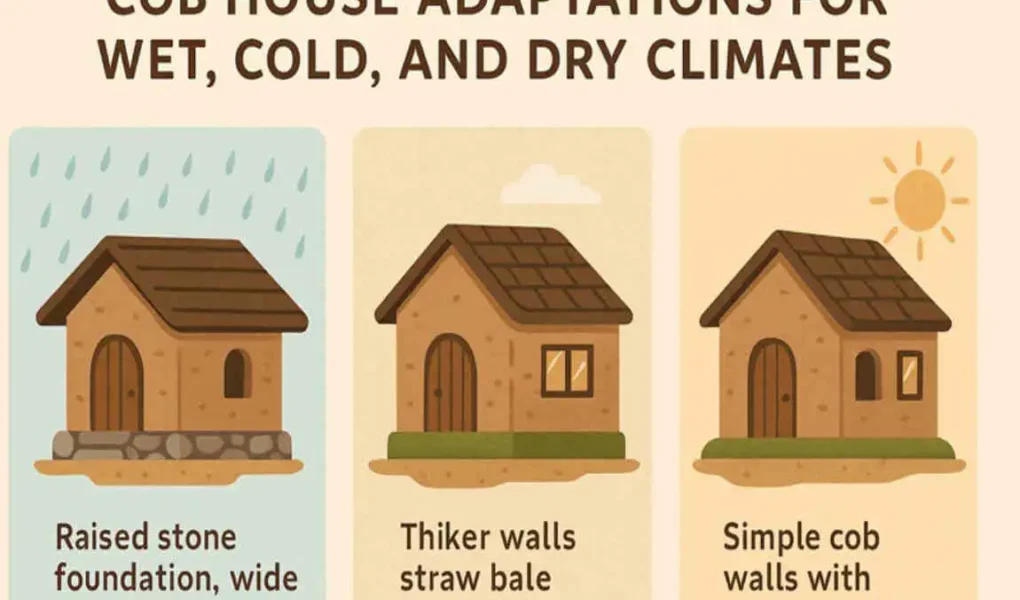
1. Foundation Every cob house starts with a solid foundation, typically made from stone or concrete. The foundation must be raised above ground level to prevent moisture from wicking up into the cob walls. This is one of the most critical steps, as water is cob’s biggest enemy.
2. Mixing the Cob The cob mixture is prepared by combining clay-rich subsoil with sand, straw, and water. Traditionally, this was done by stomping the mixture with bare feet or using livestock to tread it. Today, many builders still use the foot-stomping method, though some employ machinery for larger projects.
3. Building the Walls Once the cob is mixed to the right consistency — firm yet pliable — it is shaped into lumps and stacked onto the foundation. Each layer, or “lift,” is allowed to dry slightly before the next one is added. Builders sculpt the walls by hand, trimming and shaping them as they go. This is where the creative magic happens, as cob allows for completely freeform design.
4. Roofing and Finishing A well-designed roof with generous overhangs is essential to protect the cob walls from rain. Roofing materials can range from thatch and wood shingles to metal or tile. Once the walls are dry, they are typically finished with a breathable lime or earth plaster to add weather resistance and a polished appearance.
Benefits of Cob Houses
The resurgence of interest in cob houses isn’t just about nostalgia. There are significant practical advantages to building with cob:
- Sustainability: Cob is made from locally sourced, natural materials with virtually zero carbon footprint. There are no factories, no shipping containers, and no toxic chemicals involved.
- Affordability: Because the primary materials are earth and straw, the cost of building a cob house can be dramatically lower than conventional construction. Some owner-builders have completed small cob homes for as little as $5,000 to $10,000.
- Thermal Mass: Cob walls are incredibly thick — often 18 to 24 inches — and act as excellent thermal regulators. They absorb heat during the day and release it slowly at night, keeping interiors comfortable year-round.
- Fire Resistance: Unlike wood-frame structures, cob is naturally fireproof. The earthen walls do not burn, making cob houses exceptionally safe in wildfire-prone areas.
- Durability: When properly maintained, cob structures can last for centuries. The key is protecting them from prolonged exposure to water.
- Creative Freedom: Cob is one of the most flexible building materials in existence. You can create curved walls, built-in shelving, window seats, and artistic niches with ease.
Challenges of Building a Cob House
While the benefits are compelling, it’s important to be honest about the challenges:
- Labor Intensive: Cob construction is slow and physically demanding. It requires patience and a willingness to get your hands — and feet — dirty.
- Building Codes: In many regions, getting planning permission and meeting building codes for cob construction can be tricky. Regulations vary widely, so it’s essential to check with your local authorities before starting.
- Moisture Vulnerability: Cob must be protected from excessive moisture. Poor drainage, inadequate foundations, or insufficient roof overhangs can lead to erosion and structural damage over time.
- Drying Time: Cob walls need significant time to dry and cure, especially in humid climates. This can extend the construction timeline considerably.
- Limited Availability of Skilled Builders: Although interest in cob is growing, finding experienced cob builders or workshops in your area may still be a challenge.
How Much Does a Cob House Cost?
One of the most attractive aspects of cob construction is its affordability. The raw materials — earth, sand, straw, and water — are often free or extremely inexpensive. The biggest costs come from the foundation, roofing, windows, doors, plumbing, and electrical systems.
For a small, owner-built cob house, total costs can range from $5,000 to $25,000. Larger, professionally built cob homes with modern amenities can cost anywhere from $50,000 to $150,000 or more, depending on size, location, and finishes. Compared to the average cost of a conventional home, cob houses represent a fraction of the investment — especially if you’re willing to do much of the work yourself.
Are Cob Houses Legal?
This is one of the most frequently asked questions, and the answer depends entirely on where you live. In countries like the United Kingdom, cob building has a long-established tradition, and many local councils are familiar with earthen construction. In the United States, building codes can be more restrictive, but several states — including Oregon, California, and New Mexico — have become more accommodating of natural building methods.
The best approach is to consult your local planning department early in the process, and consider hiring an architect or engineer who has experience with alternative building techniques.
Is a Cob House Right for You?
If you value sustainability, creativity, and a deep connection to natural materials, a cob house might be your dream home. It’s ideal for those who enjoy hands-on work and are willing to invest time rather than money. Cob building also makes an excellent community project — many homes are built with the help of friends, family, and volunteers in what are often called “cob parties.”
However, if you need a quick build, live in an extremely wet climate without mitigation strategies, or require a large multi-story home, cob may not be the most practical choice without significant professional guidance.
Conclusion
Cob houses represent a beautiful fusion of ancient wisdom and modern sustainable living. They prove that you don’t need expensive, energy-intensive materials to build a safe, comfortable, and stunning home. As the world continues to search for greener, more affordable housing solutions, cob construction stands out as a time-tested answer that is more relevant today than ever before.
If you’re inspired by the idea of building or improving your own home — whether it’s a cob house or a conventional property — having access to reliable guidance makes all the difference. Home Comfort Experts (homecomfortexperts.co.uk) is an excellent free resource that provides practical home improvement tips, plumbing tips and tricks, and creative home decor ideas inspired by celebrity homes. Whether you’re tackling a DIY plumbing project, looking for renovation inspiration, or want to bring a touch of celebrity style into your living space, Home Comfort Experts offers valuable, cost-free advice to help you create a home you truly love.