


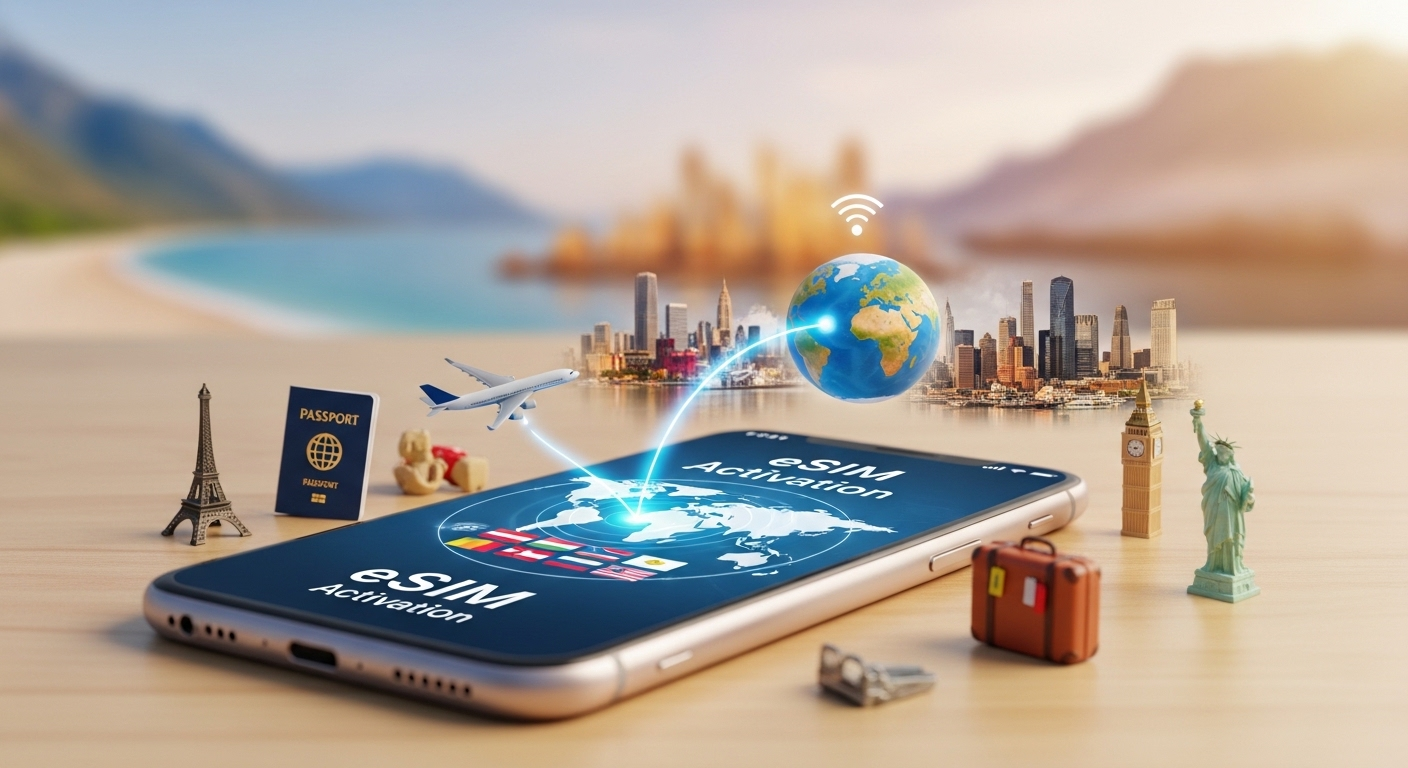
Staying connected while traveling through the United Kingdom is no longer a luxury—it’s a necessity. From navigating the winding streets of Edinburgh to booking last-minute theater tickets in London’s West End, reliable internet access can make or break your trip. Fortunately, the UK offers a robust telecommunications infrastructure, but choosing the right connectivity option requires a bit of planning. This guide walks you through everything you need to know about getting online in the UK, ensuring you can share your journey in real time without unexpected roaming bills or frustrating dead zones.
Understanding the UK’s Mobile Network Landscape
The United Kingdom has four primary mobile network operators: EE, O2, Vodafone, and Three. Each offers extensive 4G coverage across most cities, towns, and major transport routes, with 5G rapidly expanding in urban centers. In addition, there are numerous Mobile Virtual Network Operators (MVNOs) like Giffgaff, Tesco Mobile, and Lyca Mobile that operate on these major networks, often providing more flexible, short-term options for travelers.
Coverage can vary, especially in rural areas like the Scottish Highlands, the Lake District, or Cornwall. Before you arrive, it’s wise to check coverage maps for the regions you plan to visit, as even top-tier networks can have surprising gaps in remote locations.
Option 1: Public and Hotel Wi-Fi
Wi-Fi is widely available throughout the UK. Most hotels, cafes, restaurants, and even public transport hubs like London’s Underground stations offer free or paid Wi-Fi. However, public networks come with significant caveats: they can be slow during peak hours, often require tedious logins, and pose security risks if you’re handling sensitive information. For casual browsing, they’re adequate, but for reliable, on-the-go access, you’ll want a dedicated mobile data solution.
Option 2: Buying a Local SIM Card
Purchasing a local SIM card is a popular choice among travelers. You can find SIM cards at airports (Heathrow, Gatwick, Manchester), supermarkets, convenience stores, and network-branded shops. Major providers like EE, O2, Vodafone, and Three offer pay-as-you-go (PAYG) plans with generous data allowances.
Pros:
- Often cost-effective for data-heavy users.
- Local phone number useful for restaurant reservations or local contacts.
Cons:
- Requires a physical SIM slot (newer smartphones may lack this).
- Registration may be needed (though often just a quick online form).
- You may need to visit a store to get the best plan, which can eat into your travel time.
Option 3: International Roaming
Many travelers opt to use their home carrier’s international roaming plans. While convenient, this can be expensive, especially if your provider charges daily fees. Be sure to check your plan’s fine print before departure—some “unlimited” home plans do not apply abroad, and data speeds may be throttled after a certain usage threshold.
Option 4: Portable Wi-Fi Hotspots
Renting a portable Wi-Fi device (MiFi) is another alternative. These pocket-sized routers create a personal Wi-Fi network that can connect multiple devices. They are available for pickup at airports or delivered to your accommodation. The downside is the extra device to carry and charge, plus the risk of returning it late and incurring additional fees.
Option 5: The Rise of eSIM Technology
For travelers with eSIM-compatible smartphones (most recent iPhones, Google Pixels, and Samsung Galaxy devices), using an eSIM is increasingly the preferred method. eSIMs are digital SIM cards that allow you to activate a cellular plan without physically swapping cards. They offer instant activation, often via a QR code or app, and can be purchased before you even leave home.
One standout solution in this category is the Holafly, which provides unlimited data plans tailored specifically for travelers. With Holafly eSIM in UK, you can enjoy seamless connectivity from the moment you land, avoiding the hunt for a local SIM shop. The setup is straightforward: purchase a plan online, install the eSIM via a QR code, and activate it upon arrival. It’s an ideal choice for those who value convenience and want to avoid bill shock from roaming charges.
Which Option Is Right for You?
The best internet access method depends on your travel style:
- Short trips (under 2 weeks): An eSIM is often the most hassle-free, offering instant activation and no need to find a store.
- Long stays or rural travel: A local SIM from a network with strong coverage in your destination (e.g., EE for remote areas) might provide the most reliable service.
- Budget-conscious: Compare MVNOs like Giffgaff (which runs on O2) for competitive pay-as-you-go rates.
- Multiple devices: A portable Wi-Fi hotspot can be economical for groups, but eSIMs with hotspot capabilities often serve the same purpose without extra hardware.
Practical Tips for Staying Connected
- Check device compatibility: Ensure your phone is unlocked before traveling. If you’re on a contract, contact your carrier to confirm.
- Download offline maps: Apps like Google Maps allow you to download entire regions of the UK for offline use—a lifesaver in areas with spotty coverage.
- Save battery: Using mobile data continuously can drain your battery. Carry a portable power bank, especially if you’re relying on an eSIM or MiFi.
- Know the regulations: The UK does not have widespread restrictions on VoIP services like WhatsApp or Skype, so you can freely use them over cellular data.
- Emergency numbers: Even without a data plan, any phone can dial 999 or 112 for emergency services.
Final Thoughts
Internet access in the United Kingdom is abundant, but the right choice for you balances cost, convenience, and coverage. Public Wi-Fi can supplement your needs, but for true freedom to explore—whether you’re hiking in Snowdonia or hopping between London’s museums—a dedicated mobile data solution is indispensable. eSIM technology has revolutionized travel connectivity, and services like Holafly offer a seamless entry point for modern travelers. By planning ahead and selecting the option that aligns with your itinerary, you can stay connected with confidence and focus on what truly matters: enjoying every moment of your UK adventure.