

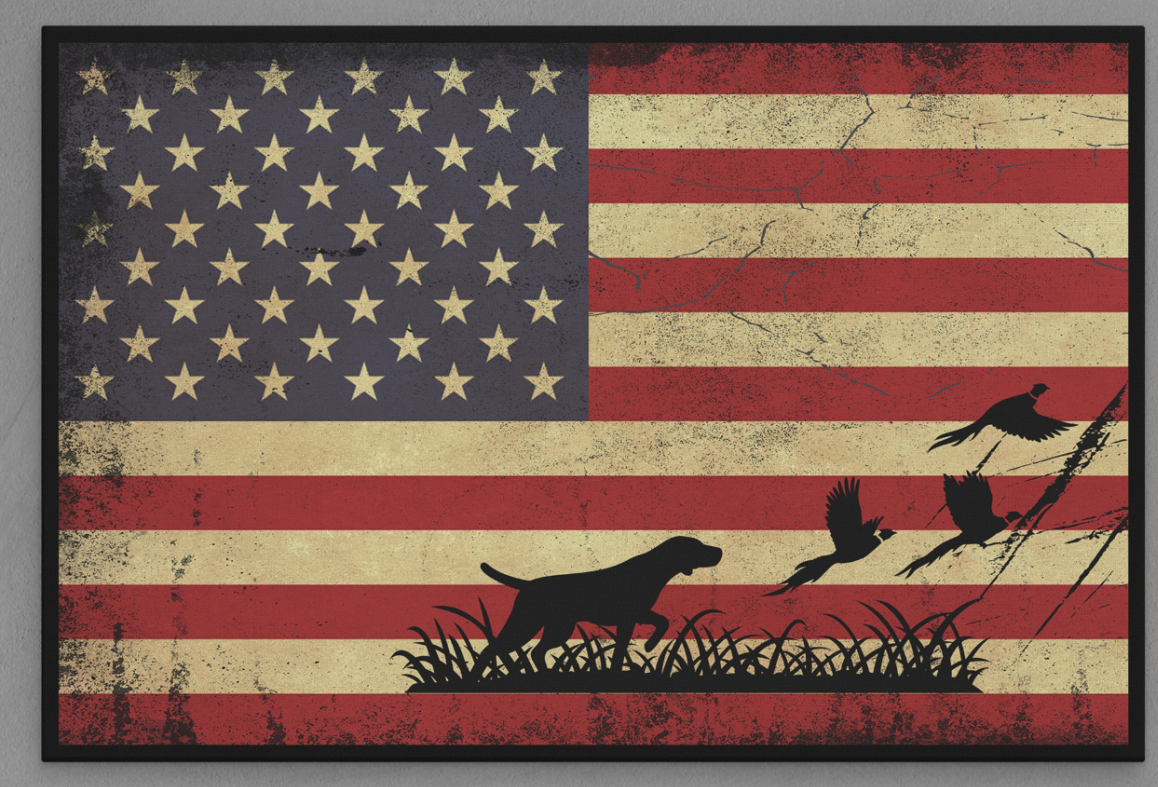
For the outdoor enthusiast, the connection to the land is spiritual. It is forged in the quiet of a deer stand at dawn, the thrill of a bass striking a lure, and the rugged beauty of the American wilderness. This deep appreciation for nature is often intertwined with a profound sense of patriotism. Traditionally, these two passions—love of country and love of the wild—were displayed separately. However, a growing trend in high-end home decor is merging them into a singular, stunning statement piece: wildlife custom flags.
These are not the flimsy, mass-produced nylon banners found in roadside shops. We are talking about heirloom-quality canvas art that integrates iconic American wildlife imagery with the timeless Stars and Stripes. Whether you are decorating a hunting lodge, a lake house, or a dedicated “man cave,” these flags offer a way to honor both your heritage and your hobbies. In this guide, we will explore the artistry behind these unique pieces, how to choose the right materials for longevity, and how to customize a flag that tells your specific outdoor story.
The Evolution of Americana: Merging Nature and Nation
The American flag is a canvas upon which we project our values. In recent years, the market for custom American flags has expanded significantly, moving away from rigid standardization toward personalized artistic expression. This shift has given rise to the wildlife sub-genre, which speaks directly to the millions of Americans who identify as sportsmen and conservationists.
The Canvas Revolution
The defining feature of this new wave of flag art is the medium. Synthetic fabrics like polyester are designed for outdoor durability but lack aesthetic depth.
- Texture and Authenticity: High-quality wildlife flags are typically crafted from heavy-duty cotton duck canvas. This material has a natural, tactile quality that synthetic fabrics cannot replicate. It absorbs ink in a way that creates a rich, matte finish, perfect for rendering the subtle earth tones of camouflage or the intricate details of antlers and feathers.
- The “Vintage” Appeal: Canvas allows for unique aging processes. Many enthusiasts prefer a “tea-stained” or antiqued look, which gives the flag a sense of history. It makes the piece look like an artifact—something that has weathered storms and witnessed history—which resonates deeply with the rugged ethos of the outdoorsman.
Symbolism in Design
These flags are not just about aesthetics; they are about identity. By overlaying the silhouette of a bull elk or a largemouth bass onto the flag, the owner is making a statement: My American experience is defined by the wild. It celebrates the freedom to explore the vast public lands that make the United States unique among nations.
Designing Your Tribute: Popular Wildlife Flag Themes
When commissioning or purchasing wildlife flags, the options are as diverse as the American ecosystem. The key to a successful design is choosing imagery that resonates with your specific passion.
The Hunter’s Pride: Deer, Elk, and Waterfowl
For the hunter, the pursuit of game is a lifestyle. Flags in this category often feature high-contrast silhouettes that pop against the red and white stripes.
- The Whitetail and Elk: These are the most popular motifs. A majestic buck or a bugling elk superimposed over the union (the blue field) or the center of the flag creates a powerful focal point. Some designs subtly integrate camouflage patterns (like Realtree or Mossy Oak) into the stripes themselves, blending tactical culture with national pride.
- Waterfowl and Upland Birds: For the duck hunter, a design featuring a flock of mallards in flight or a flushing pheasant adds dynamic movement to the static flag. These designs often utilize warmer, marsh-like tones in the “white” stripes to evoke the feeling of a sunrise over a wetland.
The Angler’s Edition: Bass, Trout, and Saltwater
Fishing is America’s pastime, and custom American flags dedicated to anglers are increasingly popular for lake houses and coastal homes.
- Freshwater Icons: The largemouth bass is the king of freshwater, and its aggressive strike is a common visual theme. Trout designs often incorporate the colorful, speckled patterns of the fish’s skin into the stripes, creating a piece that is colorful and artistic.
- Saltwater Majesty: For those on the coast, designs featuring marlin, tuna, or sharks offer a nautical twist on patriotism. These flags often lean towards deeper blues and weathered whites to match the coastal “salt life” aesthetic.
Customization: Making It Your Own
The difference between buying a decoration and creating an heirloom lies in customization. When looking for wildlife custom flags, seek out artisans who allow you to add personal details.
Adding Text and Dates
A generic buck on a flag is beautiful, but a specific tribute is meaningful.
- Family Names: Adding “The Smith Family Lodge” or “Miller Hunting Camp” to the bottom stripe transforms the flag into a welcome sign for your property.
- Commemorative Dates: Many hunters use these flags to memorialize a significant harvest or a “trip of a lifetime.” Adding a date (e.g., “Est. 2005”) or a specific location (e.g., “Rocky Mountain National Park”) grounds the artwork in personal history.
The “Thin Line” Variations
The “Thin Line” concept—originally used for police (blue) and fire (red)—has been adapted for the outdoor community.
- The Thin Camo Line: Some designs replace a single stripe with a camouflage pattern to represent the hunter’s role in conservation.
- The Thin Green Line: Often used to represent Game Wardens and Park Rangers, this is a respectful way to honor those who protect our wildlife resources.
Sourcing Quality: Finding Wildlife Flags That Last
Not all flags are created equal. Since these pieces are often displayed in semi-outdoor environments like porches or uninsulated cabins, durability is paramount. Knowing where to look and what to look for when finding wildlife flags is critical.
Material Matters: Dye Sublimation vs. Screen Printing
How the image is applied to the canvas determines how long it will last.
- Dye Sublimation: This is the gold standard for canvas art. The ink is heated until it becomes a gas and bonds directly with the fibers of the fabric. This creates a print that will not crack or peel over time. It allows for the intricate details of feathers or fur to remain sharp.
- Screen Printing: While cheaper, screen printing sits on top of the fabric. In a canvas flag that might flex or fold, this can lead to cracking paint after a few years. Always ask the manufacturer about their printing process.
Vetting the Manufacturer
In the age of dropshipping, many “custom” flag companies are simply middlemen for overseas factories.
- Made in USA: For a product that is inherently patriotic, origin matters. Look for companies that explicitly state they manufacture in the United States. This not only supports American jobs but usually guarantees a higher standard of quality control.
- Artist Collaboration: The best companies collaborate with wildlife artists to create original imagery rather than using generic clip art. Check the website’s “About Us” section to see if they credit their designers or utilize licensed art.
Conclusion: A Statement of Passion and Pride
Your home decor should tell your story. It should reflect the values you hold dear and the passions that drive you. Wildlife custom flags offer a sophisticated, rugged way to do exactly that. They bridge the gap between the civic pride of the American flag and the primal beauty of the American wilderness.
By choosing a high-quality canvas piece, selecting imagery that speaks to your specific outdoor interests, and customizing it with your family name or lodge details, you are creating more than just wall art. You are creating a legacy piece—a symbol of the freedom to roam, the thrill of the hunt, and the beauty of the land we call home.
Ready to fly your passion? Don’t settle for a generic banner. It’s time to design a flag that is as unique as your outdoor adventures.