


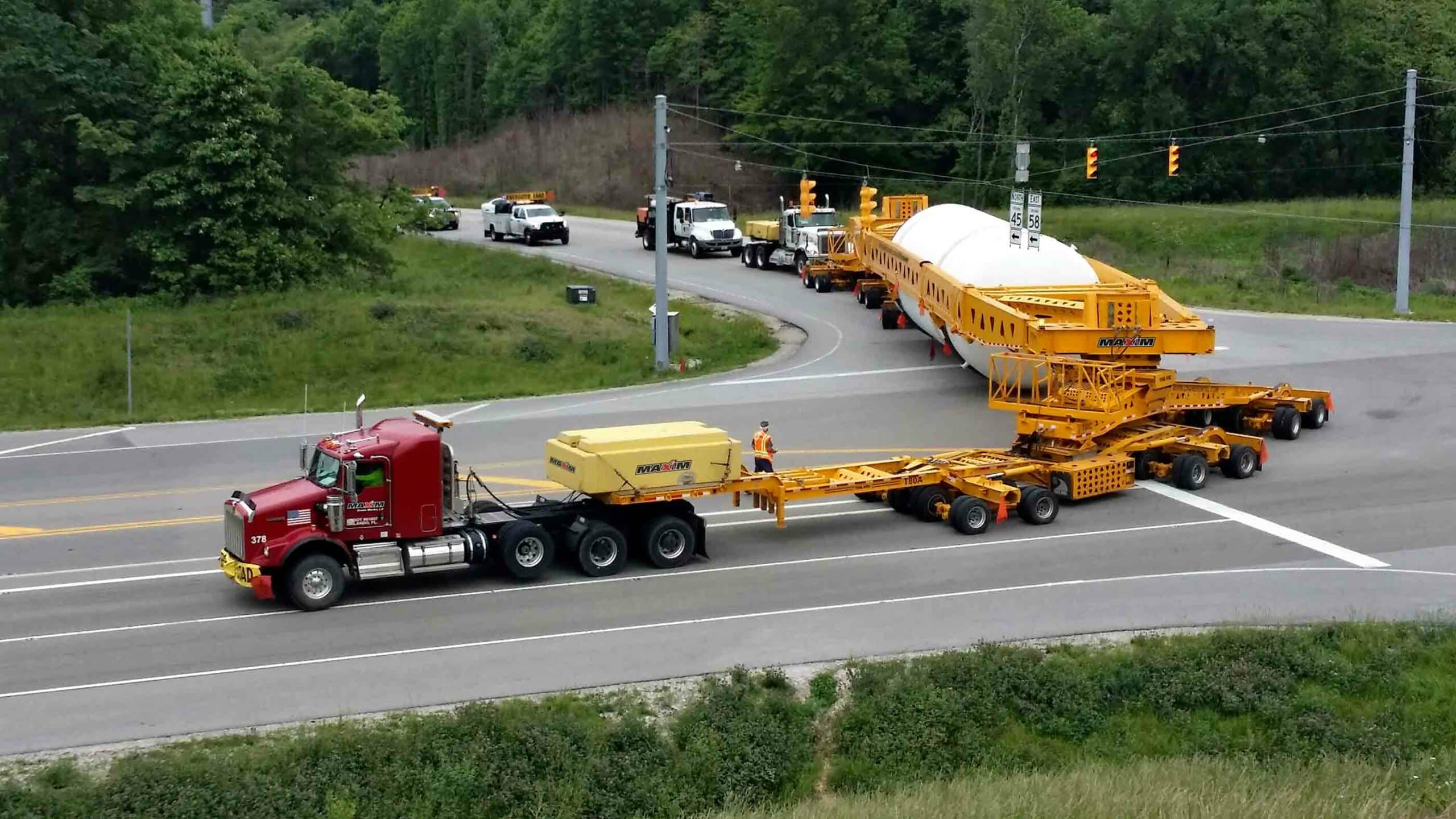
When it comes to heavy haulage in Australia, deploying effective strategies is crucial for the safe and efficient transportation of large machinery and infrastructure components. The logistics involved in hauling oversized loads require specialised equipment and meticulous planning to ensure that operations run smoothly and safety regulations are adhered to.
Understanding Heavy Haulage
Heavy haulage involves transporting heavy or oversized cargo that exceeds typical legal size and weight limits on public roads. This includes items such as mining equipment, wind turbines, and industrial machinery. The process demands considerable planning and oversight due to the complexity and risks involved.
Key Heavy Haulage Strategies
Implementing key strategies can significantly streamline heavy haulage operations. Below are some essential strategies:
Comprehensive Route Planning
Route planning is fundamental in heavy haulage, involving detailed assessments of road conditions, bridge capacities, and potential obstacles. Selecting the most suitable route minimises delays and avoids unforeseen complications.
Compliance with Regulations
Adhering to transportation regulations is imperative. This includes acquiring necessary permits for oversized loads and ensuring that the haulage vehicles comply with local road safety standards.
Utilising Advanced Technology
Investing in modern technology like GPS and real-time tracking systems enhances route efficiency and security. These technologies provide pivotal data to optimise transport strategies and monitor the progress and safety of the haul.
Choosing the Right Equipment
Equipments such as multi-axle trailers, extendable trailers, and modular transport systems are essential in handling different types of heavy loads. Choosing the right equipment is crucial to ensure safe and efficient cargo transportation.
Importance of Experienced Operators
An efficient heavy haulage operation relies heavily on the skill and experience of its operators. Trained professionals possess the expertise necessary to handle difficult situations and unexpected challenges that may arise during transit.
Risk Management and Safety Protocols
Comprehensive risk management strategies and safety protocols are vital to mitigating potential hazards associated with heavy haulage. This includes implementing standard safety practices and conducting regular equipment inspections.
Additionally, conducting thorough safety drills and equipment checks can prevent accidents and ensure that the team is prepared to manage pressing situations effectively.
Environmental Considerations
Choosing environmentally friendly practices in heavy haulage can help reduce the carbon footprint associated with transportation. This may involve optimising routes to reduce fuel consumption and adopting newer, more fuel-efficient equipment.
Collaboration with Local Authorities
Coordinating with local authorities and stakeholders can help prevent disruptions and facilitate smoother transit through municipalities. Maintaining open communication with these entities allows for prompt resolution of any issues that may arise.
Maximising Efficiency
Efficiency in heavy haulage not only reduces costs but also enhances the reliability of the service. Implementing continuous improvement measures helps in reducing transit times and enhancing the overall efficiency of haulage operations.
The Role of Professional Haulage Companies
Engaging with professional haulage companies ensures that the strategies employed are optimised for cost-effectiveness and safety. Companies like National Heavy Haulage provide expert knowledge and tailor solutions to specific transport challenges.
Conclusion
Effective heavy haulage operations require comprehensive planning, adherence to regulations, the right equipment, and skilled professionals to handle the complexities involved. By implementing key strategies, using the latest technology, and collaborating with local authorities, it is possible to ensure a safe and efficient haulage process.