


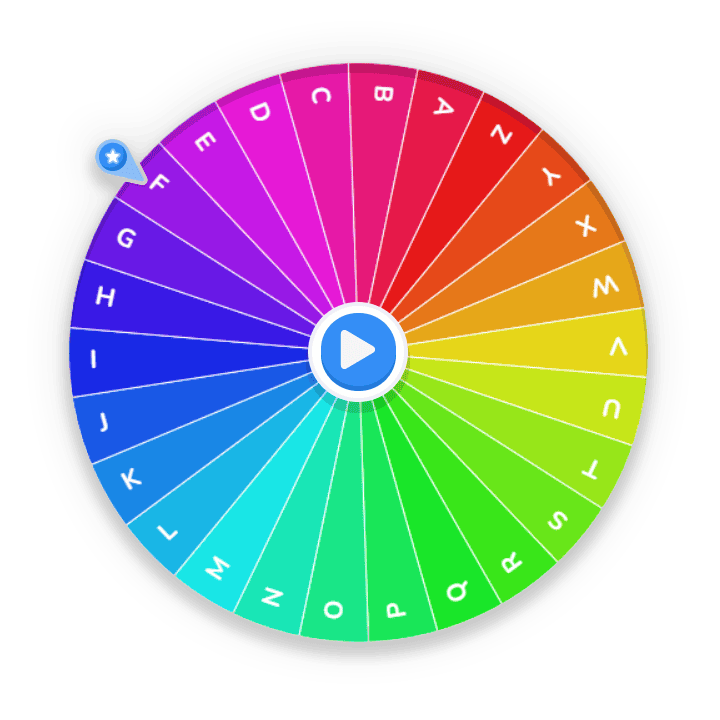
There is something deeply satisfying about spinning a wheel. The anticipation of the spin, the blur of motion, the gradual deceleration, and the final resting point this simple mechanical sequence has captured human attention for centuries, from carnival games to game show television to the roulette tables of the world’s casinos. The appeal is not purely about chance; it is about the experience of surrendering a decision to a process that feels fair, impartial, and exciting in a way that simply choosing does not.
Digital randomisation tools that replicate this experience spinning wheels, random pickers, shufflers, and draw tools have become genuinely widely used across education, corporate environments, event planning, and everyday personal decision-making. Understanding why these tools work so well, and where they add the most value, reveals something interesting about how humans relate to chance, fairness, and the cognitive burden of choice.
The psychology of spinning why randomisation feels fair
The appeal of randomised selection tools rests on a deeply held human intuition: that outcomes produced by chance are inherently fairer than outcomes produced by human choice. This intuition is not irrational. Human decision-making is subject to biases, preferences, social pressures, and inconsistencies that random processes are not. When a teacher picks students to answer questions by hand, conscious or unconscious preferences inevitably shape the selection some students get called on more, others less, patterns emerge that reflect the teacher’s assumptions rather than purely pedagogical considerations.
A spinning wheel or random picker eliminates these biases from the selection process. Every entry has an equal probability of being selected on any given spin. There is no human judgment involved in the outcome only a process that students, participants, and observers can see is impartial. This perceived impartiality changes the social dynamics around the selection: no one can feel singled out, no one can accuse the selector of favouritism, and the outcome carries a legitimacy that human choice often lacks.
There is also a purely experiential dimension that matters. Randomisation tools that use spinning wheel interfaces, countdown animations, or dramatic reveal sequences add an element of engagement and excitement to what would otherwise be a purely administrative act. In classroom settings, students who might be anxious about being called on by a teacher find the spinning wheel format less threatening the selection is the wheel’s choice, not the teacher’s, which changes its emotional valence entirely.
Educational applications transforming classroom engagement
Student selection and participation
The most widespread educational use of spinning wheel and random picker tools is student selection choosing which student answers a question, presents their work, or takes on a classroom role. This application has grown significantly as interactive whiteboard technology and classroom display systems have made it easy to run a visual spinning wheel on a screen that the entire class can see simultaneously.
The pedagogical benefits are real and documented. Random selection increases overall participation rates by ensuring that no student can rely on being overlooked. It encourages all students to maintain engagement with lesson content rather than mentally opting out once they have answered once. And it creates a classroom culture where the expectation of being called upon is universal and routine rather than dependent on volunteering or teacher preference.
Teachers who use random selection tools also report reduced social anxiety around participation in many classrooms. When selection is visibly random, the social stigma of being called upon which in some classroom cultures can feel like being targeted is reduced. The wheel chose you; that is different from the teacher choosing you.
Group formation and team assignment
Random group formation is another high-value educational application. When students form their own groups, social hierarchies and friendship networks invariably shape the results popular students cluster together, less socially connected students are left to form groups by default, and the same social patterns repeat across every group activity. This is not just a fairness problem; it is a learning problem, because students working with the same peers repeatedly miss the collaborative diversity that produces more robust learning outcomes.
Randomly assigned groups, formed through a visible and impartial process, bypass these social dynamics entirely. Students work with people they would not have chosen, developing collaborative skills with a wider range of peers and encountering perspectives and working styles they would not otherwise engage with. The random assignment process itself can also be made engaging students find out their groups through a spinning wheel or draw tool rather than through a potentially awkward self-selection process.
Games, quizzes, and interactive learning activities
Beyond selection and grouping, random picker tools have found extensive use in educational games and interactive activities. Quiz games that use spinning wheels to determine which category or question a student faces, vocabulary activities that randomly surface words for students to define or use in context, and review games that use random selection to determine turn order and question assignment all leverage the engagement value of randomisation to make routine practice activities more dynamic.
Event planning and group decision-making
Outside educational settings, random picker and spinning wheel tools have found significant adoption in event planning and group decision-making contexts. Prize draws, raffle selections, tournament bracket randomisation, and the assignment of roles or responsibilities in group activities all represent situations where a visibly impartial selection process adds value.
For event organisers, digital randomisation tools have significant practical advantages over physical alternatives like lottery balls or drawn names from a hat. They can handle large entry lists easily, they produce results instantly, they can be displayed on screens for entire audiences to watch simultaneously, and they produce a verifiable record of the selection process. For prize draws and competitions where the integrity of the selection matters, these properties are not just convenient they are important for maintaining participant trust.
In corporate settings, spinning wheel tools have found use in team-building activities, icebreaker exercises, and the kind of light-touch gamification that makes meetings and workshops more engaging. Random selection of who shares first, which team presents, or which challenge a group tackles next adds an element of unpredictability that can energise contexts that might otherwise feel routine.
Name and identity applications where randomisation meets creativity
One of the more creative applications of spinning wheel and random picker tools is in name selection and identity generation. Writers selecting names for characters, parents exploring naming options for children, game players needing usernames or avatars, and creative teams brainstorming brand or project names all face selection challenges where the value of randomisation is less about impartiality and more about creative stimulus. A name picker wheel tool serves this creative function directly spinning through a pool of names to surface options that the user can react to, accept, or use as inspiration for further refinement.
This application works on the same psychological principle as food randomisation: it reframes the decision from an open-ended generative task what name should I choose? to a reactive evaluative one do I like this name? The second question is cognitively much easier to answer, and the spinning wheel format adds an element of engagement that makes the process enjoyable rather than effortful.
The design of effective randomisation tools
Not all random picker tools are created equal, and the differences between effective and ineffective implementations are instructive. The most important quality of a randomisation tool for high-stakes applications prize draws, educational selection, formal processes is genuine randomness. A tool that appears random but actually follows a predictable pattern, or that weights outcomes in ways not disclosed to users, undermines the fairness rationale that makes randomisation valuable in the first place.
For engagement applications classroom activities, games, creative brainstorming genuine randomness matters less than the experience of randomness. The visual drama of a spinning wheel, the countdown of a timer, the suspense of a reveal these experiential qualities are what make the tool engaging, regardless of the precise statistical properties of the underlying random process.
Customisability is also a significant quality differentiator. Tools that allow users to input their own entries names, options, categories, questions are far more versatile than fixed-content tools, because they can be adapted to any specific context or need. The spinning wheel is the mechanism; the content is provided by the user.
A platform for creative and decision-support tools
The growing ecosystem of randomisation and decision-support tools reflects a genuine and widespread need for accessible utilities that reduce the cognitive load of selection and choice. Platforms like Random Name Generator Wheel sit within this ecosystem, bringing together a range of generators, pickers, and creative tools that serve users across educational, creative, and everyday decision-making contexts providing the kind of accessible, engaging randomisation utilities that have become genuinely useful parts of how people manage choices and generate ideas.
Why randomisation tools will only become more useful
The conditions that make randomisation tools valuable choice overload, the need for perceived fairness in group settings, the desire for engaging ways to make routine decisions are not diminishing. If anything, they are intensifying. The expansion of digital options in every domain of life increases the cognitive burden of choice. The growing awareness of human decision-making biases increases the value placed on processes that bypass those biases. And the gamification of everyday activities the application of game-like elements to non-game contexts to increase engagement continues to spread across education, business, and personal life.
Spinning wheel and random picker tools sit at the intersection of all three trends. They reduce choice overload by making selection easy and fast. They address fairness concerns by removing human judgment from the outcome. And they add engagement through the experiential qualities of the spin itself. For as long as humans need to make selections from groups of options which is to say, indefinitely well-designed randomisation tools will have a place in the toolkit of anyone who values both efficiency and the experience of deciding.