


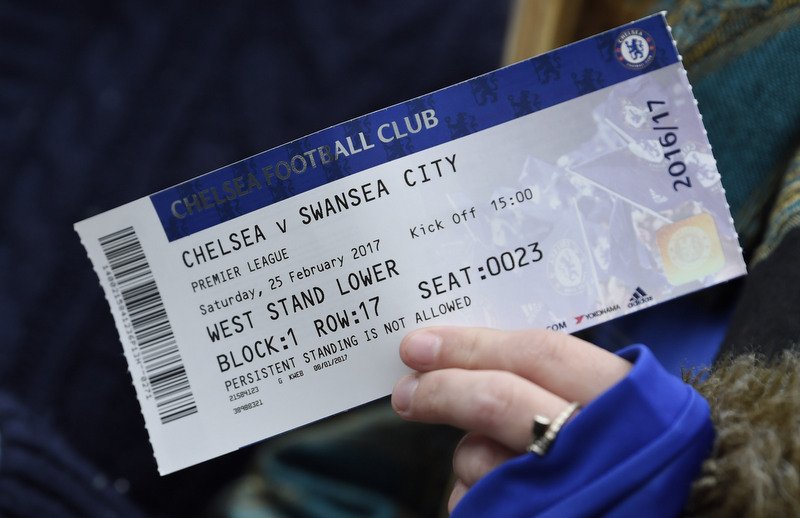
The Premier League is the most watched domestic football competition on the planet and, by some margin, the hardest to actually get into. Twenty clubs, thirty-eight rounds, and a level of demand that means most grounds are effectively sold out before a ball is kicked in August.
That does not mean it is closed to visitors. It means the visitors who get in are the ones who planned properly. Here is what the grounds are actually like, and how to approach each of them.
The big six, and what you are up against
| Club | Ground | Capacity | Nearest station | Difficulty for a visitor |
|---|---|---|---|---|
| Manchester United | Old Trafford | 74,310 | Old Trafford (Metrolink), Manchester United FC (rail) | High |
| Tottenham Hotspur | Tottenham Hotspur Stadium | 62,850 | White Hart Lane, Seven Sisters | High |
| Liverpool | Anfield | Around 61,000 | No station; bus from the city centre | Very high |
| Arsenal | Emirates Stadium | 60,704 | Arsenal, Holloway Road, Finsbury Park | High |
| Manchester City | Etihad Stadium | Around 60,000 after expansion | Etihad Campus (Metrolink) | Moderate to high |
| Chelsea | Stamford Bridge | 40,341 | Fulham Broadway | Very high |
Capacity is a poor guide to difficulty. Chelsea’s ground is among the smallest in the group, which makes it among the hardest to get into. Manchester City’s expanded Etihad and its slightly lower season-ticket saturation make it the most realistic of the six for a visitor buying late.
The grounds worth going to for their own sake
The clubs outside that group produce some of the best matchday experiences in England, and they are far more accessible.
Newcastle United, St James’ Park. Capacity just over 52,000, sitting on a hill in the middle of the city centre, which is almost unheard of in English football. You can walk from a bar on the Quayside to your seat in fifteen minutes. The Gallowgate End on a night game is one of the loudest places in the league.
Aston Villa, Villa Park. A proper old ground, capacity around 42,600, with a Holte End that holds close to 13,000 on its own. Reached by train from Birmingham New Street to Witton or Aston in about ten minutes.
Everton, Hill Dickinson Stadium. The club’s move to the Bramley-Moore Dock waterfront gives Liverpool a second modern ground, with a capacity around 52,000 and a setting on the river that nothing else in the league matches.
Crystal Palace, Selhurst Park. Small, old, tight and loud, at around 25,000. If atmosphere per pound is your metric, this is the answer, and it is the most consistently underrated away day in London.
Brighton, Amex Stadium. Around 31,800, superbly organised, with a dedicated rail service to Falmer station directly outside. Combine it with a day on the seafront.
How the sale actually works
Every Premier League club runs a variation on the same ladder:
- Season-ticket holders take the large majority of seats.
- Members who have paid an annual fee buy in windows, usually ordered by how long they have been members or by loyalty points earned from previous attendance.
- General sale opens only if anything is left, which at the biggest clubs it usually is not.
- Ticket exchanges let season-ticket holders resell seats they cannot use, at face value, back into the member pool.
Fixtures are published in mid-June. Broadcast selections, which determine the actual day and kick-off time, are confirmed in batches roughly five to six weeks ahead. Anything scheduled for 15:00 on a Saturday is protected from live domestic broadcast and therefore far less likely to move, which makes it the safest slot to book travel around.
Realistic routes in
Join a membership. For a fee that is usually less than the price of one ticket, you get access to sale windows and to the club’s exchange. If you plan to visit the same club more than once, do this first.
Target the right fixture. A midweek League Cup tie, an early-round FA Cup match or a league game against a newly promoted side in November is a completely different proposition from a derby in April. The ground is the same. The price and the availability are not.
Use hospitality if the budget allows. Official hospitality packages are expensive but genuinely guaranteed, and are often the only route into a sold-out fixture without touching resale.
Use the resale market properly. For most visitors this is the practical option, especially when booking from abroad months ahead. What matters is the guarantee behind the purchase, not the headline price. Buying Premier League Tickets through a marketplace that guarantees authenticity and delivery before kick-off removes the risk that actually ruins trips, which is arriving in Manchester or Liverpool on a Friday with a ticket that will not scan and no way to reach the seller.
Whatever route you take, never buy from a seller in the street. Unauthorised resale of football tickets is a criminal offence in England, turnstiles scan every ticket individually, and stewards stop people using tickets registered to someone else.
Matchday logistics by city
| Ground | Getting there | Getting out |
|---|---|---|
| Anfield | Bus from Liverpool city centre, or the matchday service from Sandhills | Allow 45 minutes; there is no rail station nearby |
| Old Trafford | Metrolink to Old Trafford or Wharfside | Trams queue heavily; walking to Deansgate takes 25 minutes and is often faster |
| Emirates | Arsenal station, which is exit-only after matches | Use Finsbury Park or Highbury and Islington |
| Tottenham | White Hart Lane overground, or Seven Sisters and a 20-minute walk | Seven Sisters is the more reliable exit |
| Etihad | Metrolink to Etihad Campus | Walk to Piccadilly in 25 minutes to avoid the crush |
| St James’ Park | Walk from anywhere in Newcastle city centre | Walk |
Details that catch people out
Bags. Most clubs restrict bags to around A4 size, and there is no left luggage at grounds. Travel light.
Alcohol. You may drink in the concourse but not in view of the pitch. This is a matter of law, not club policy, and stewards enforce it.
Standing. Licensed safe-standing areas now exist at several grounds. If you buy in one, you are standing for ninety minutes.
Weather. Nothing is called off for rain. Bring a waterproof, not an umbrella, which you will not be allowed to open.
Segregation. Home and away sections are strictly separated. If you are in a home section, behave accordingly.
The trip most people should actually book
Here is the honest recommendation. Rather than spending a great deal of money and effort chasing a single enormous fixture, pick a city with two clubs and a good rail connection, book a Saturday 15:00 kick-off at a mid-table club with a full ground, and use the rest of the weekend properly.
Newcastle, Liverpool, Manchester, Birmingham and Brighton all do this beautifully. You will get a full stadium, a real crowd, a manageable price and a city worth the flight. That is a better Premier League weekend than a hospitality seat at a fixture you chose because of the names on the team sheet.