


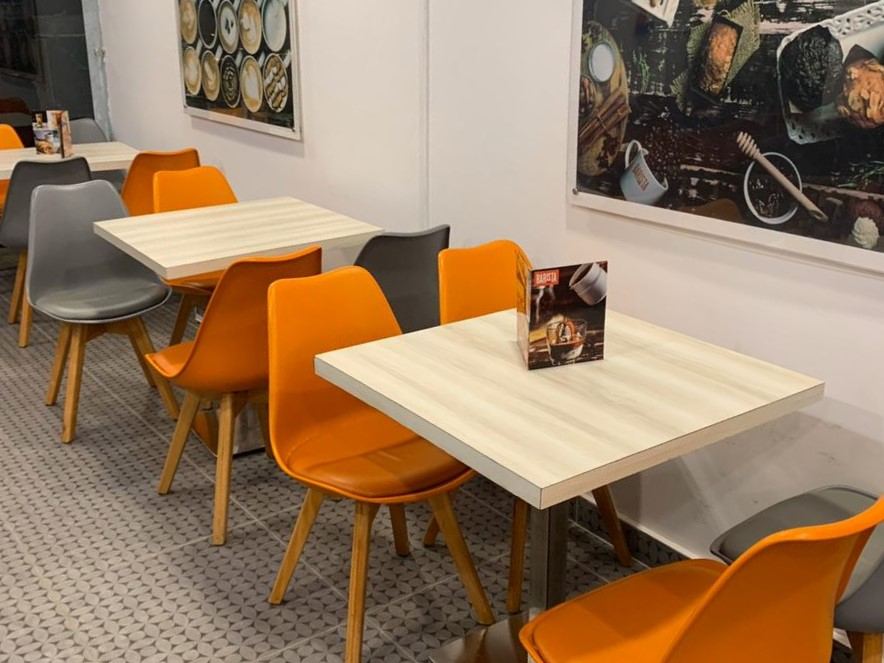
Understanding the Role of Restaurant Furniture in Commercial Spaces
Restaurant furniture plays a central role in shaping how a commercial dining space functions and feels. Beyond aesthetics, it directly affects comfort, traffic flow, and operational efficiency. The right seating, tables, and booths help define how guests interact with the space, how long they stay, and how easily staff can provide service. In commercial settings, furniture must support frequent use while maintaining a professional appearance. Poorly chosen furnishings can lead to discomfort, congestion, or premature wear, all of which impact the customer experience. Well-planned restaurant furniture contributes to a welcoming atmosphere and reinforces the brand’s identity. It also helps maximize seating capacity without sacrificing comfort. By understanding the functional role furniture plays, operators can make informed decisions that support both guest satisfaction and smooth day-to-day operations in busy hospitality environments.
Restaurant Furniture Designed for Different Hospitality Environments
Hospitality spaces vary widely, and restaurant furniture must adapt to different service models and customer expectations. Casual cafés, full-service restaurants, bars, and hotels all require furniture tailored to their specific needs. Quick-service venues often prioritize durability and ease of cleaning, while upscale dining spaces may focus more on comfort and visual appeal. Outdoor dining areas require weather-resistant materials, while indoor spaces allow for a broader range of finishes and upholstery. Layout considerations also differ, as some environments need flexible seating arrangements while others benefit from fixed booths. Choosing furniture that aligns with the type of hospitality space ensures better functionality and longevity. Restaurant furniture designed with the end use in mind helps create environments that feel intentional, comfortable, and efficient for both guests and staff.
Material and Construction Standards for Commercial Restaurant Furniture
Commercial environments demand furniture built to higher standards than residential options. Restaurant furniture must withstand constant use, frequent cleaning, and exposure to spills and impacts. Common materials include solid wood, metal, laminate, and commercial-grade upholstery, each selected for durability and performance. Strong frame construction, reinforced joints, and quality finishes are essential to prevent wobbling, cracking, or premature wear. Upholstered seating should use high-density foam and durable fabrics designed for hospitality use. Tables and bases must provide stability while supporting heavy loads. Meeting these construction standards ensures furniture remains safe and functional over time. By prioritizing quality materials and solid craftsmanship, operators invest in restaurant furniture that delivers consistent performance in demanding commercial settings.
Balancing Style and Function with Restaurant Furniture
A successful dining space balances visual appeal with practical function, and restaurant furniture sits at the center of this balance. While style helps establish mood and brand identity, function ensures the space operates smoothly. Seating must be comfortable without taking up unnecessary space, and tables should support efficient service and easy cleaning. Overly decorative pieces may look appealing but can complicate maintenance or limit flexibility. Conversely, purely functional furniture can feel uninviting if design is ignored. The goal is to choose furnishings that complement the décor while supporting daily operations. Thoughtful design choices allow restaurant furniture to enhance ambiance without sacrificing usability. When style and function are aligned, the result is a space that feels cohesive, efficient, and welcoming.
Customization Options for Restaurant Furniture Solutions
Customization allows businesses to tailor restaurant furniture to their specific needs and branding. Many commercial suppliers offer options such as frame finishes, upholstery choices, seat materials, and table sizes. This flexibility helps create a cohesive look that aligns with the restaurant’s theme and layout. Custom furniture can also address unique spatial challenges, such as tight floor plans or specific seating capacities. Beyond aesthetics, customization can improve functionality by selecting materials suited to the environment, whether indoor, outdoor, or high-traffic areas. While custom options may involve longer lead times, they often result in better long-term satisfaction. By investing in customized restaurant furniture solutions, operators can create spaces that feel distinctive while still meeting commercial performance requirements.
Long-Term Value and Maintenance of Restaurant Furniture
Evaluating long-term value is essential when selecting restaurant furniture for commercial use. While upfront costs are important, durability, maintenance, and lifespan have a greater impact over time. Furniture that requires frequent repair or replacement increases operational expenses and disrupts service. Easy-to-clean surfaces, replaceable components, and sturdy construction help reduce maintenance demands. Regular inspections and basic care, such as tightening hardware and cleaning spills promptly, extend the life of furnishings. Choosing quality furniture also supports a consistent appearance, avoiding the mismatched look that can result from piecemeal replacements. When long-term performance is prioritized, restaurant furniture becomes a strategic investment rather than a recurring cost.
Conclusion
Restaurant furniture solutions are a foundational element of successful commercial and hospitality spaces. From supporting daily operations to shaping guest perceptions, the right furnishings influence every aspect of the dining experience. By understanding the role furniture plays, selecting designs suited to specific environments, and prioritizing quality construction, operators can create spaces that perform well under pressure. Balancing style, function, and customization allows businesses to stand out while remaining practical. Long-term value comes from choosing furniture that is durable, easy to maintain, and aligned with operational needs. When selected thoughtfully, restaurant furniture supports efficiency, comfort, and brand identity, helping hospitality businesses create inviting spaces that stand the test of time.